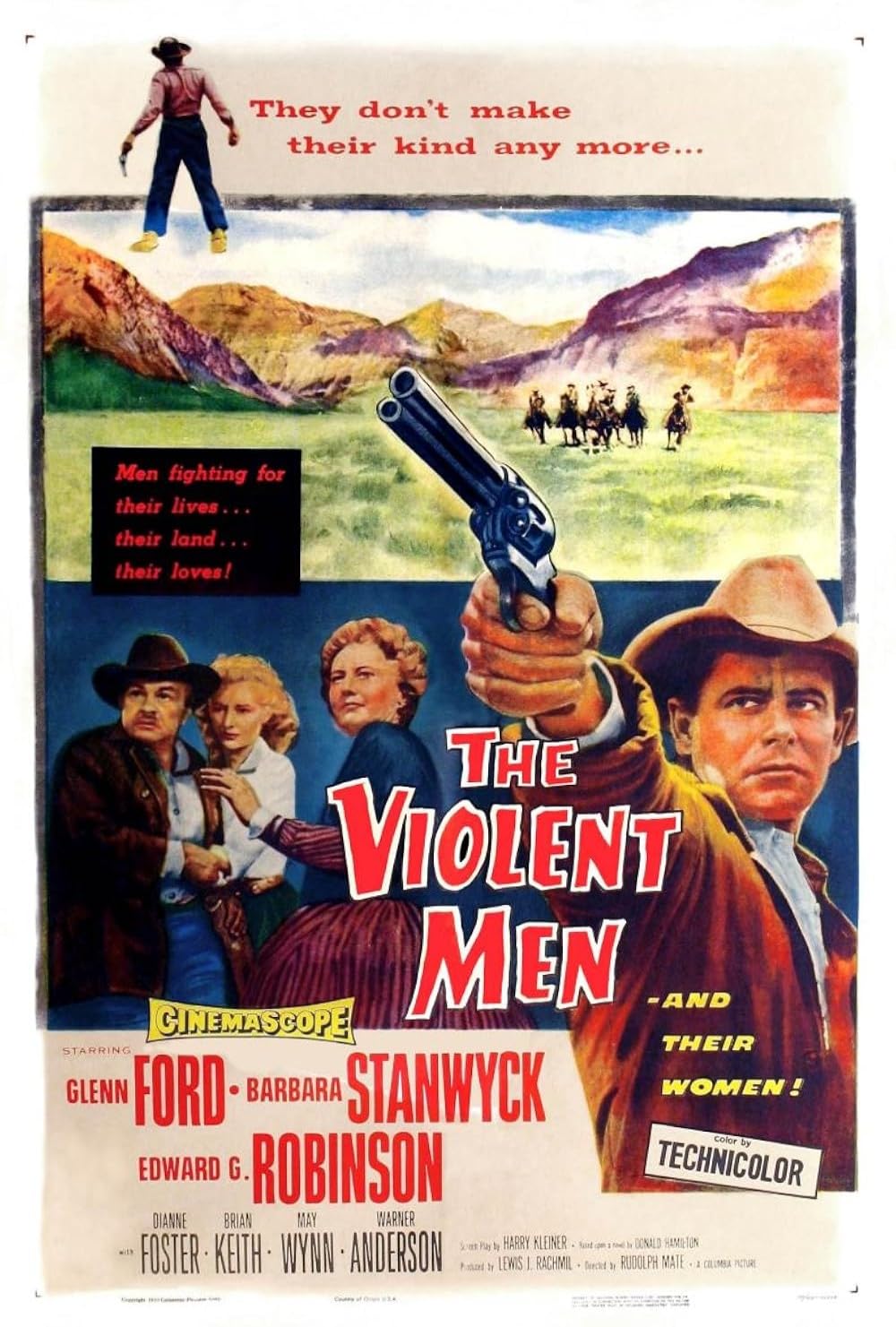
The plot of this movie seems as old as time itself: locals being bullied by a power broker. Without this plot, The A-Team (1983-87) would have never come into existence! Nor Knight Rider (1982-86)! In other words, the most salient parts of my childhood, the television programming that inculcated me with the basic principles of ethical life, would never otherwise have been!
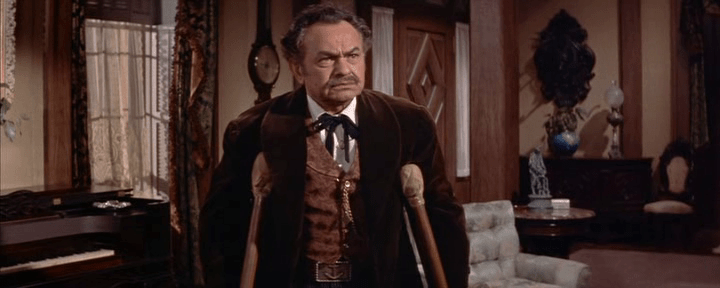
In the case of The Violent Men (admittedly, a prosaic title) the power broker is the cripple Wilkinson (played by Edward G. Robinson), though it is palpably uncertain if his conniving wife (Stanwyck) or brother (Keith) are actually in charge.
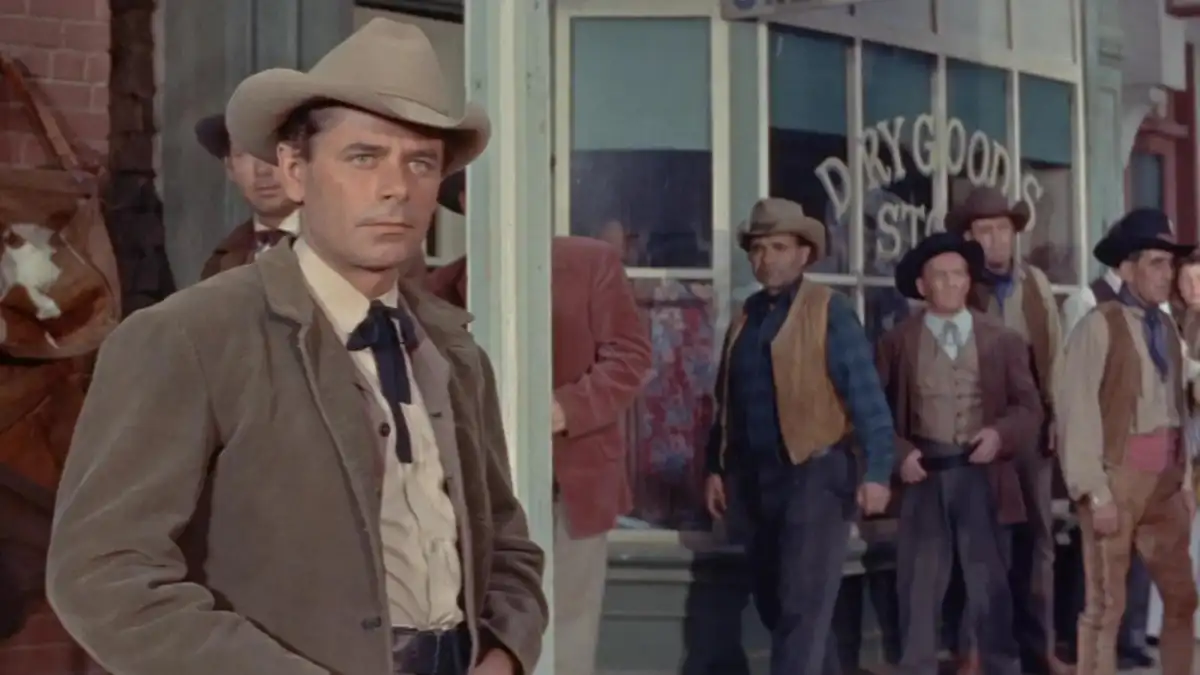
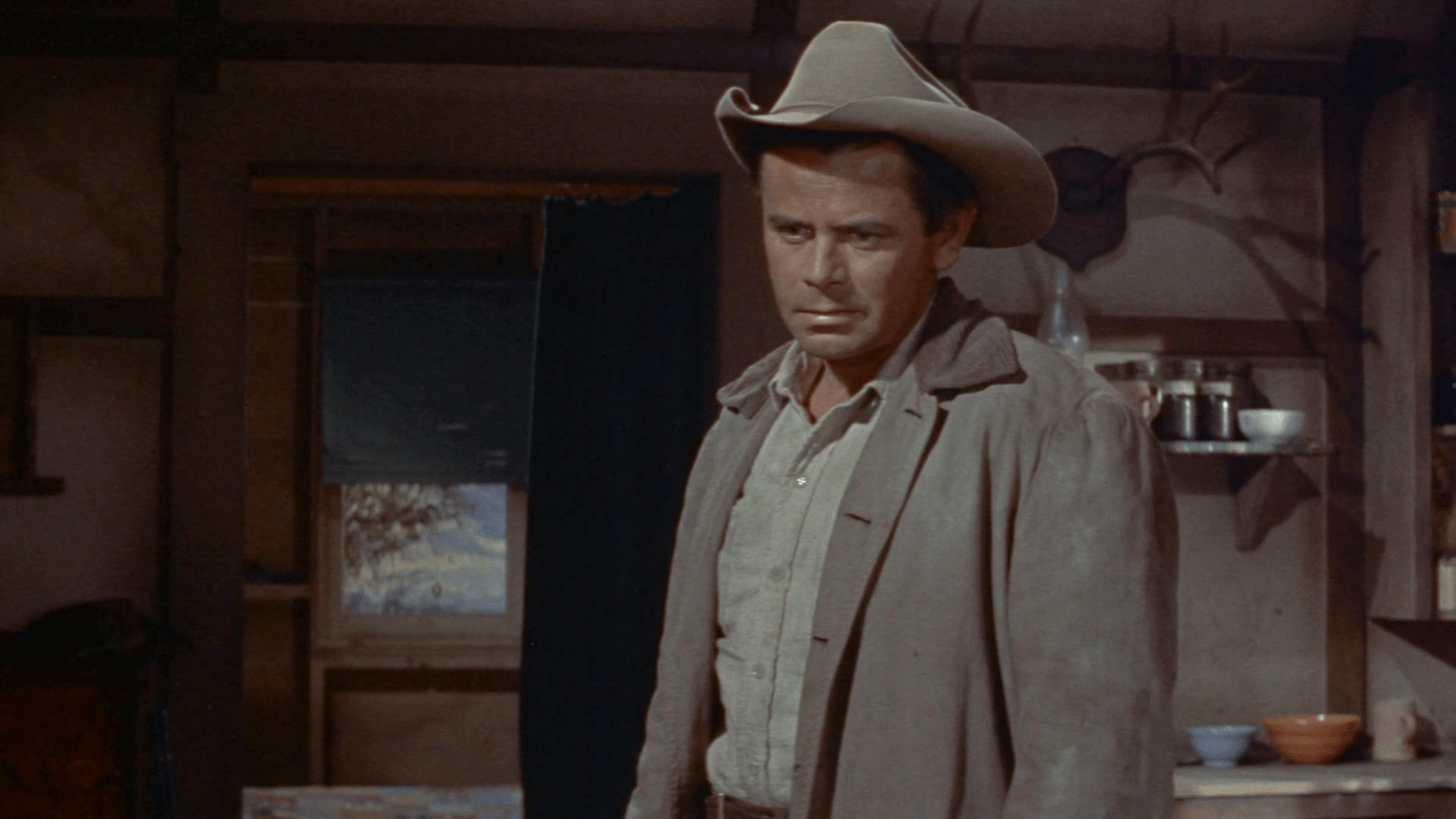
Opposing them stands Parrish (Glenn Ford), a genuinely nuanced character, at least at the beginning of the film. He doesn’t wear a gun and is known for this.
The Beginning of The Violent Men
At the beginning of the film we learn that Wilkinson has been buying up his neighbors ranches after his men have uprooted their fences and damaged property and killed those who resisted. Parrish is a former Union soldier come to the valley to recover from wounds in the Civil War. He has regained his health, but claims no attachment to the valley where he’s developed a profitable ranch or to his neighbors. He plans to marry and depart with a local girl who is keen to leave for the East.
But after he sees the sheriff gunned down by Wilkinson’s newest and most threatening man Matlock (played by Richard Jaeckel, who will eventually earn a nomination for Best Supporting Actor for his role in the film Sometimes A Great Notion [1971] — a film in turn based on the novel, which I highly recommend and once called “The Great American Novel”, by Ken Kesey) and is offered a pittance for his ranch and has one of his men killed, Parrish finally gains a conscience and assumes the struggle.
Gimme Some Violence Please!
The scene in which Parrish kills Matlock comes after an unsuspecting preface: Parrish kills him with the gun from his hired man that Matlock had killed, after telling his men that there will be no retribution and that they need to go home.
Sexual Politics!
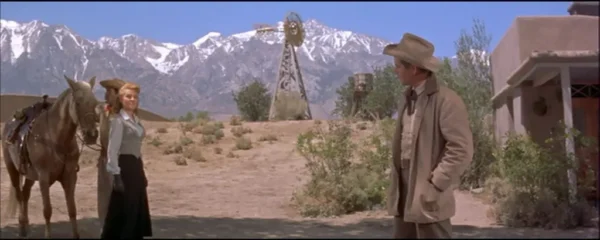
Of course, poor Parrish quickly realizes his fiancée only wants her train ticket East and breaks off his engagement. Equally, although Wilkinson’s wife has him convinced she’s there for him, behind closed doors she’s in love with his brother (or at least a man that can take over the ranch).
On the other hand, Wilkinson’s daughter hates her father but appears to be attracted to Parrish, more when the latter finally resists her father.
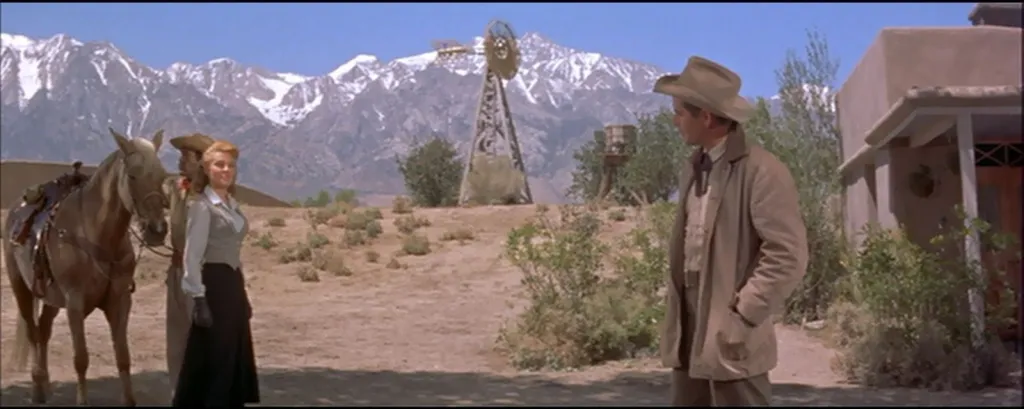
Is there really good horsemanship?
One person is quite convinced that Glenn Ford’s horsemanship deserves recognition. I know not enough about horses to confirm or deny.