Day 1: 30 Days of Remakes!
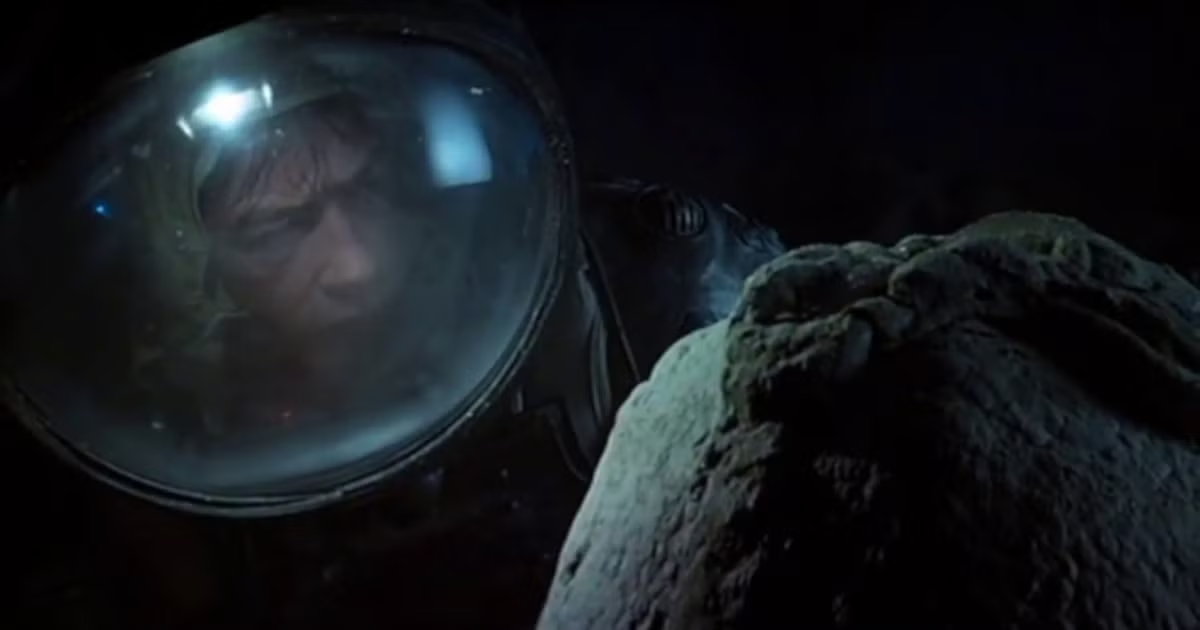
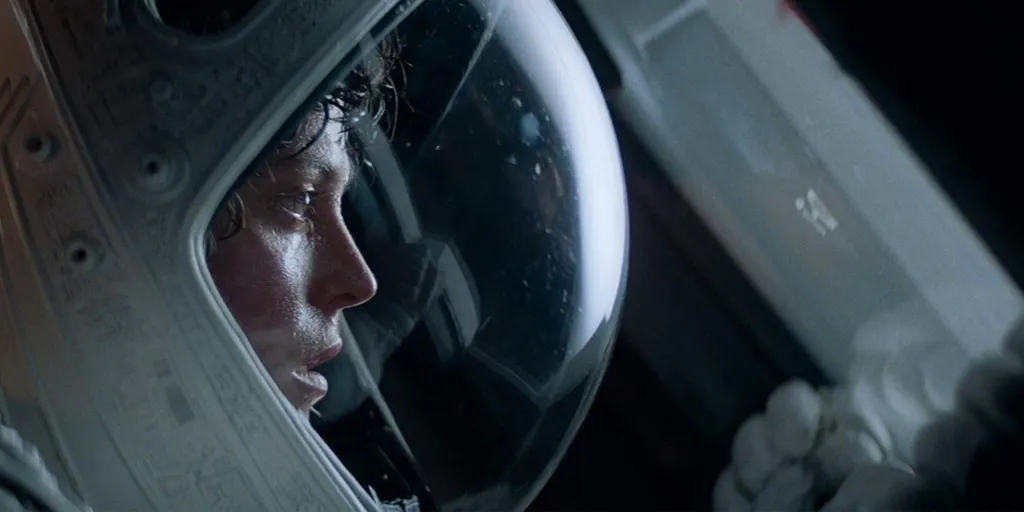
Watching the 1979 film Alien in 2026 — after the major entertainment franchise has been created — is hard to do.
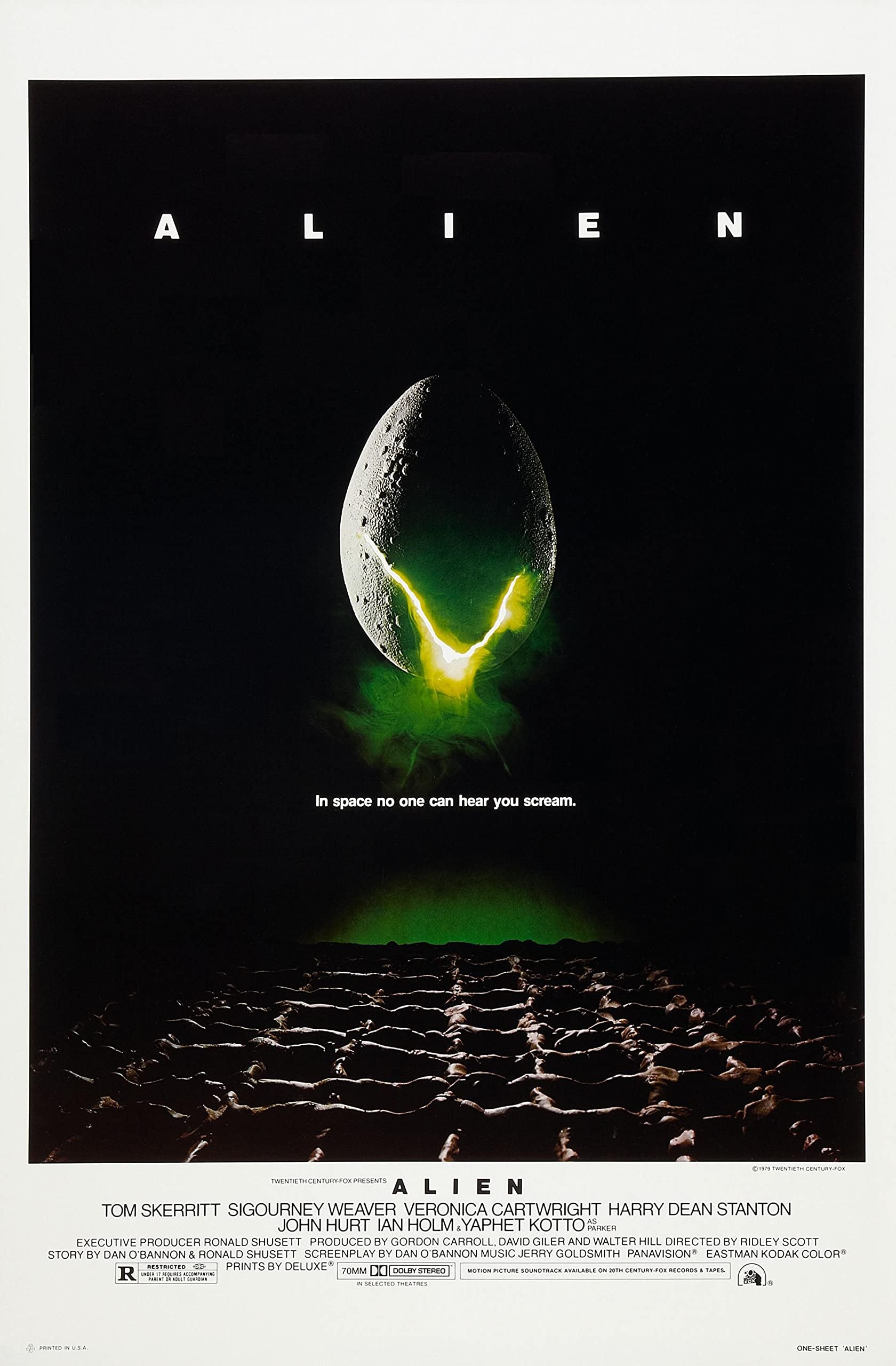
Alien (1979)
Aliens (1986)
Alien 3 (1992)
Alien Resurrection (1997) [which I have admired in these pages]
Prometheus (2012) [about which I wrote in a previous life]
Alien: Covenant (2017)
Alien: Romulus (2024) [I have not seen this]
And don’t forget about the lovely, hilarious crossover films:
Alien vs. Predator (2004)
Aliens vs. Predator: Requiem (2007)
Especially because the film Alien is so different from all of the other films.
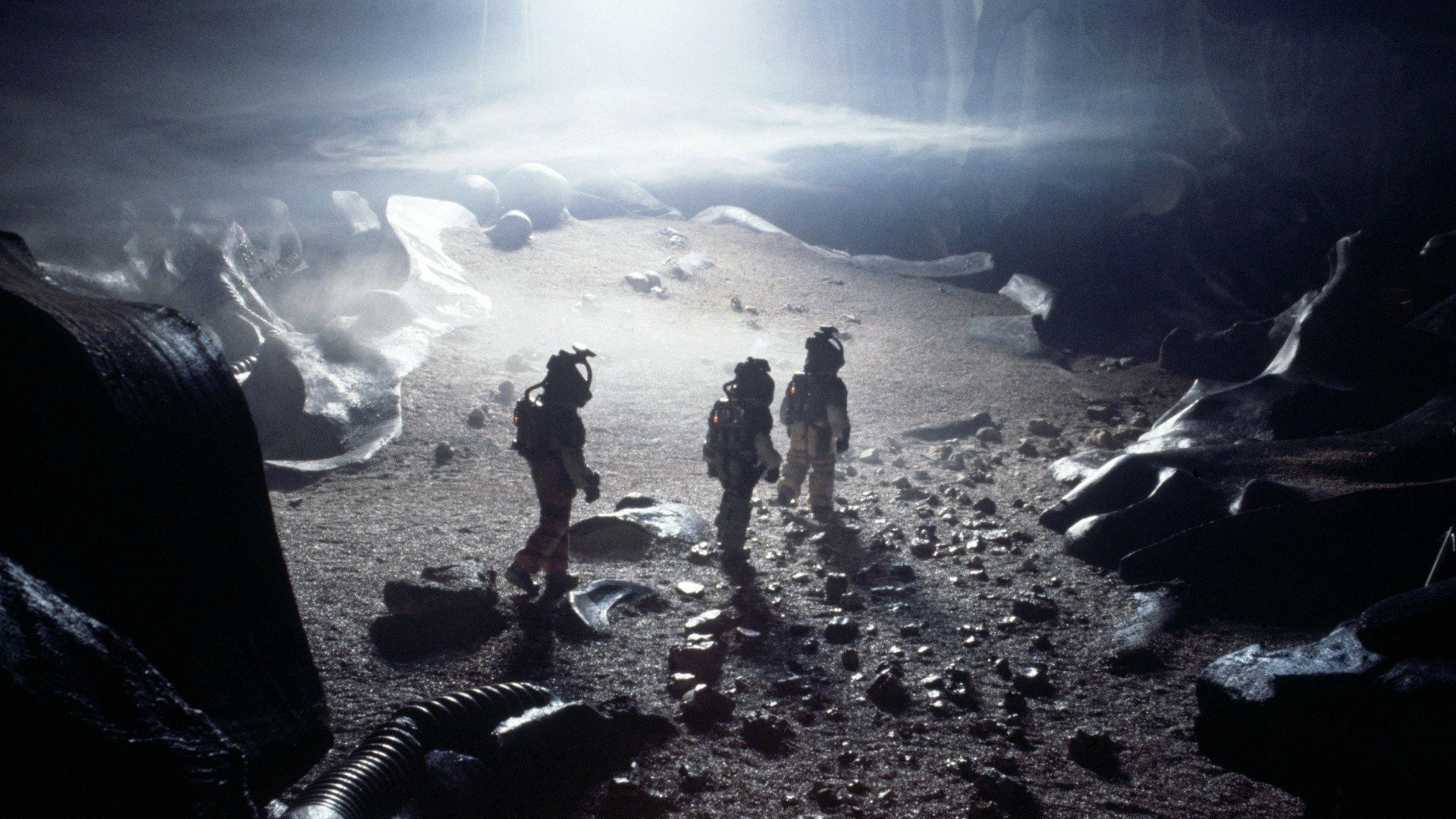
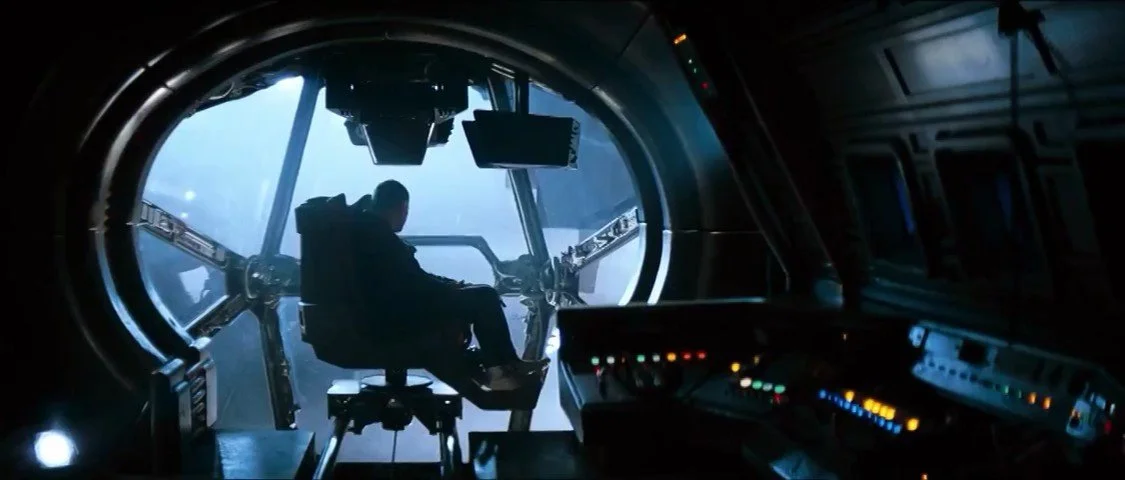
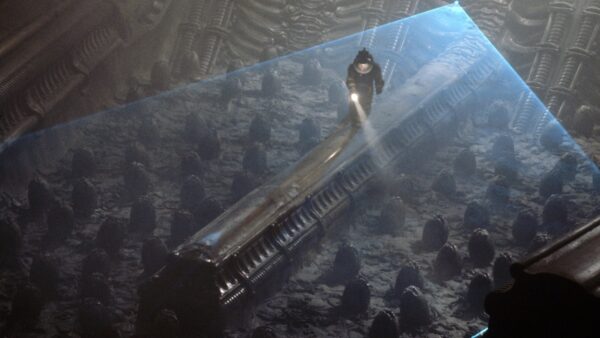
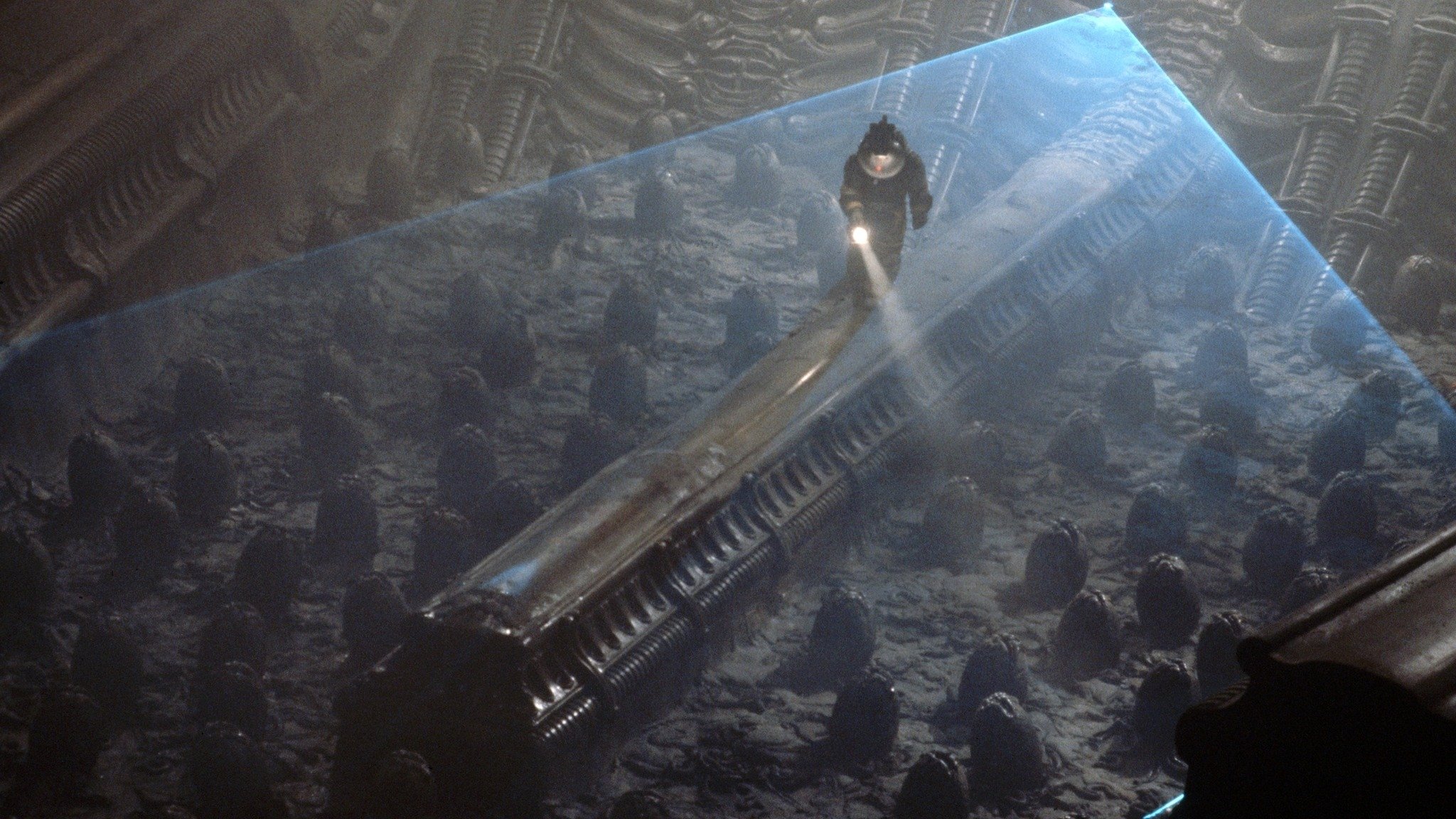
Alien is essentially an atmospheric film in which it takes time for the horror of what is occurring to be appreciated. Nearly half of the film has passed before the crew actually arrives at the alien vessel to investigate it.
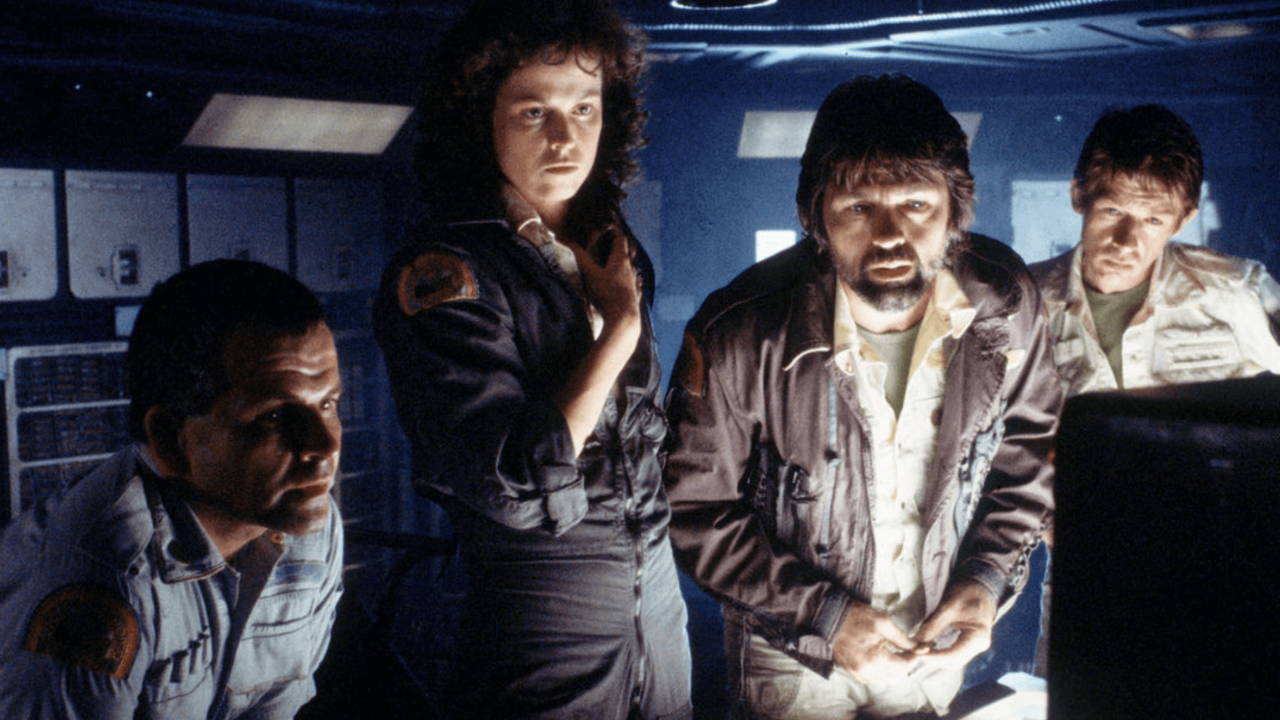
Before that happens we learn that the engineers do not believe they are being paid enough, that the crew members are confused why they have been awoken from cryo-sleep, and that the planet is seemingly uninhabitable.
The Horrifying ‘Primal Scene’
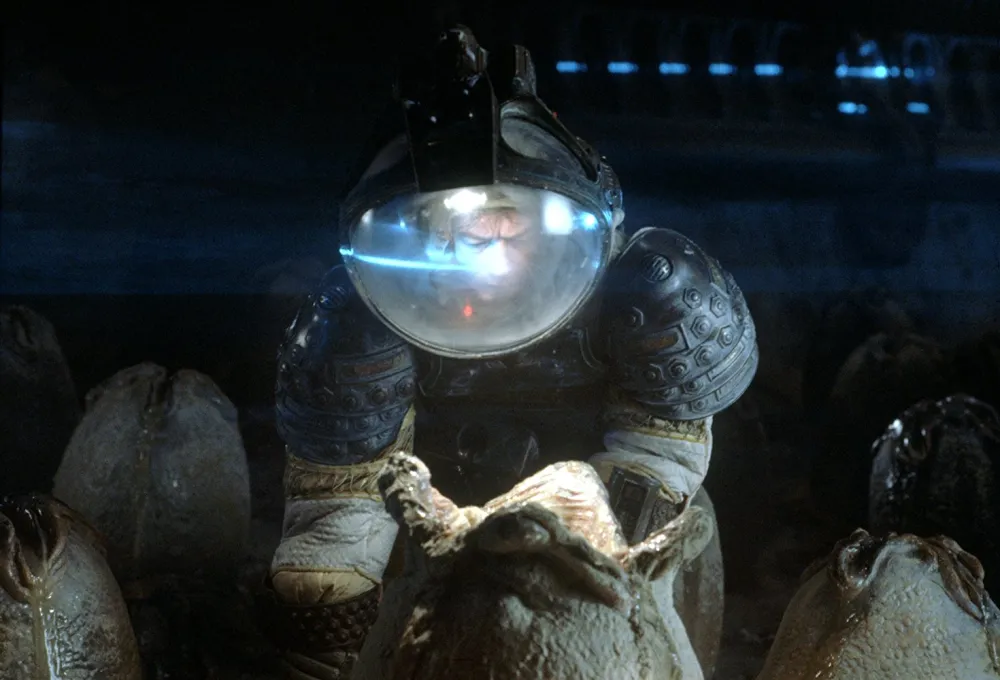
The most horrifying scene in Alien, and very probably the “primal scene” of the entire franchise, is the meal among colleagues after the alien has detached itself from Kane’s face and he appears to be fine.
In fact, everything appears to be fine. Everyone is eager to enjoy a meal and then return to cryo-sleep for the duration of the voyage home.
But before that can happen and in the middle of the meal, Kane has what appears to be a seizure before he is killed by something emerging from his abdomen. A seemingly small creature that wants out of him so badly that it breaks through bone and skin.
Did you know that during pregnancy (and after) the mother’s body contains fetal cells with a genetic constitution distinct from her own? This is called microchimerism.
Ripley is not yet Ripley
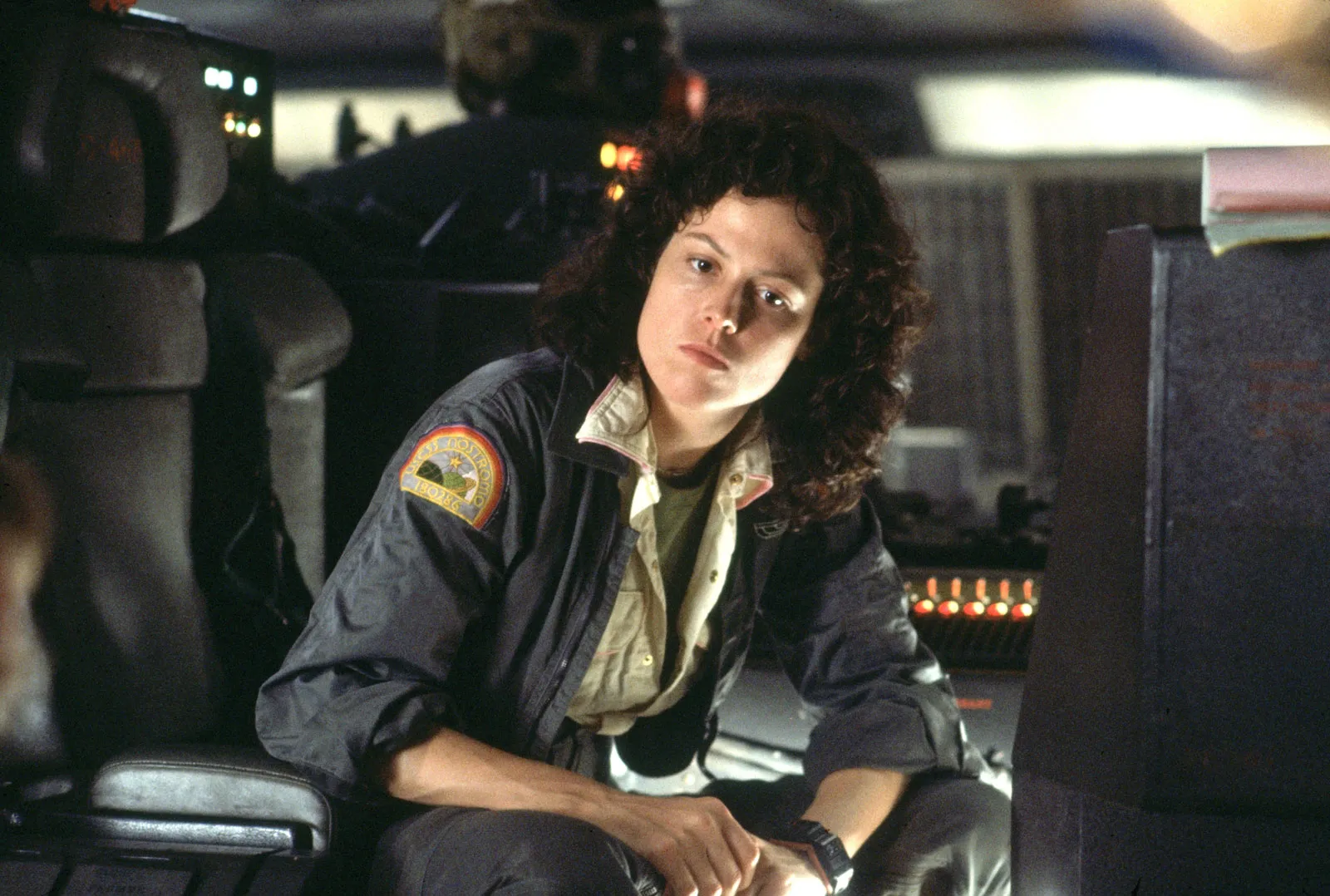
Moreover, it’s vital to appreciate that the survivor, Ripley, only becomes a central character later in the film. Whereas so many of the following films have a primary female protagonist who has been the locust of all of the films activity.
In Alien, Ripley’s survival is an accident.
Watching Alien After Aliens, etc.
For me this point is so essential, the essence no less of my thinking, the high bar of intellectual reasoning, that I must return to it.
Time is unidirectional.
In this case, this means that the judgments and knowledge that I have acquired by watching Aliens (1986) and everything else have affected what I think about Alien. I cannot return to the first time I saw Alien — were I able to do so, I have a feeling the experience of watching Aliens may have still predated it.
So watching this with M was a major correction. She liked this one better than the sequel, and I can see why. The sequel is much too concerned with the military and machismo. It is indeed a “bughunt” (perhaps not that different from Starship Troopers [1997]).