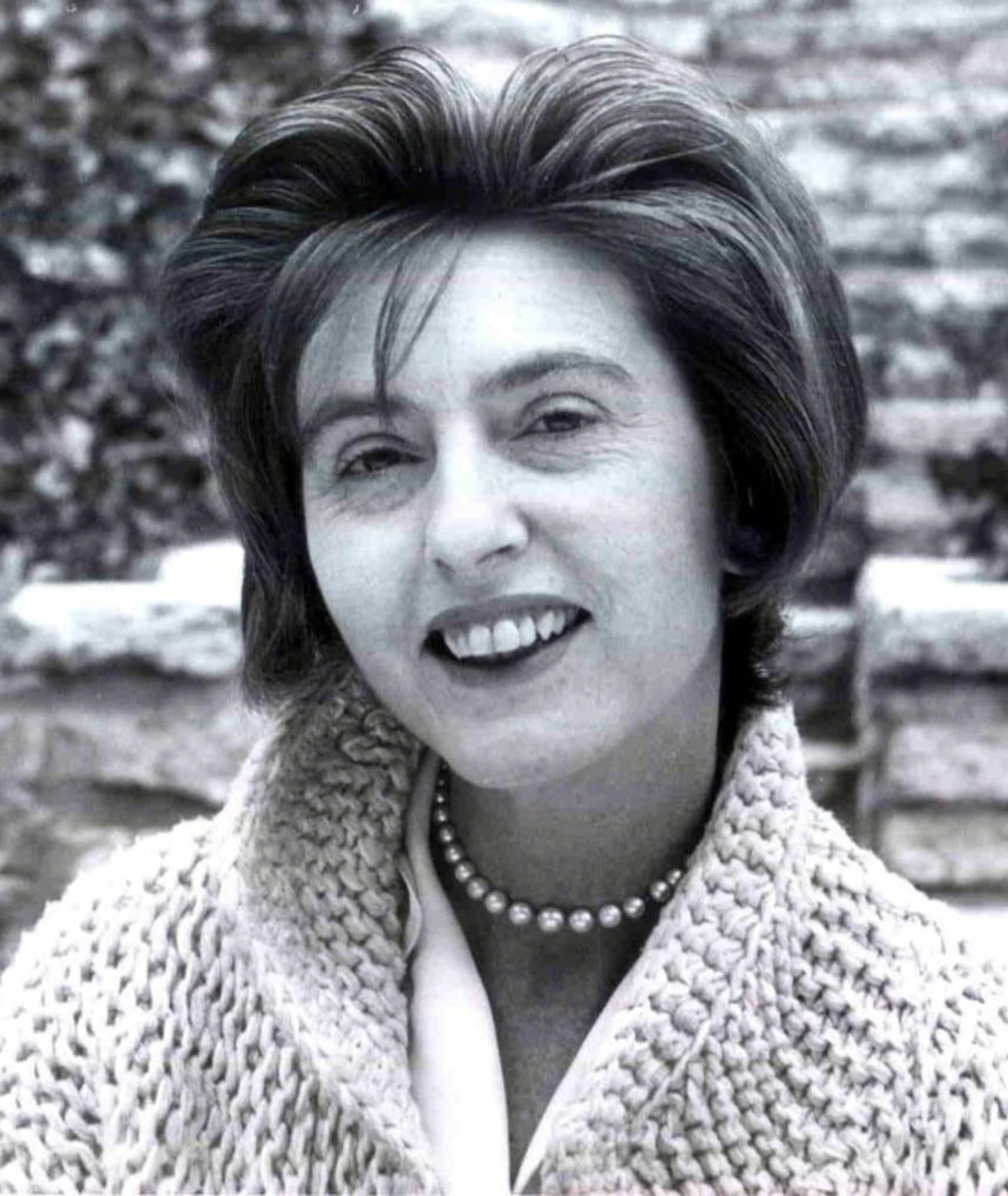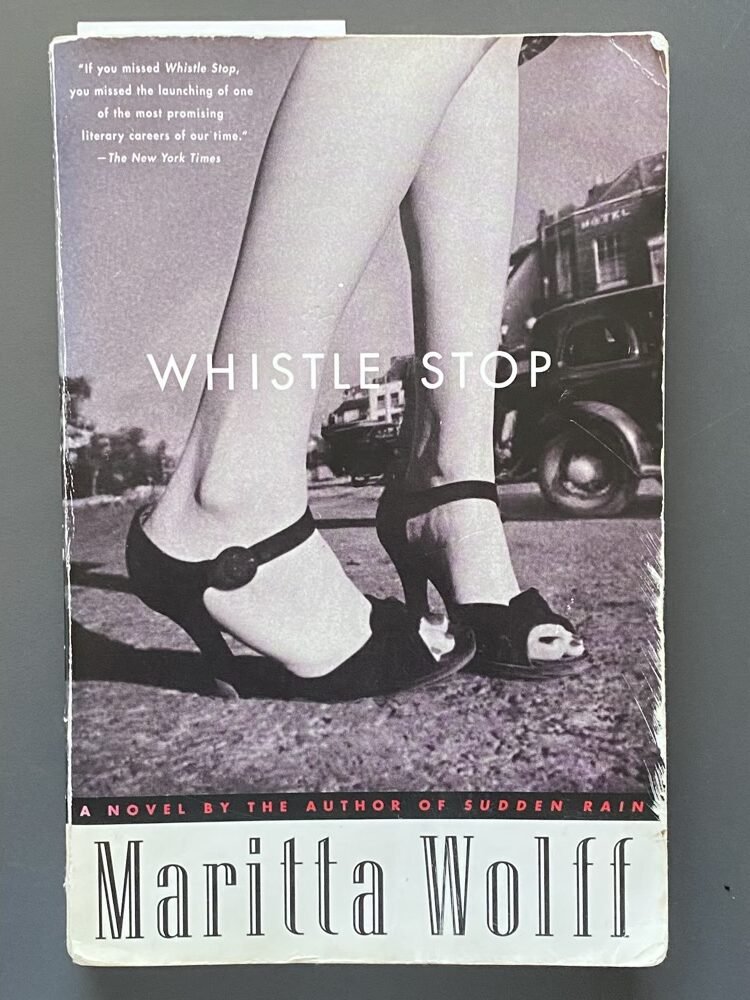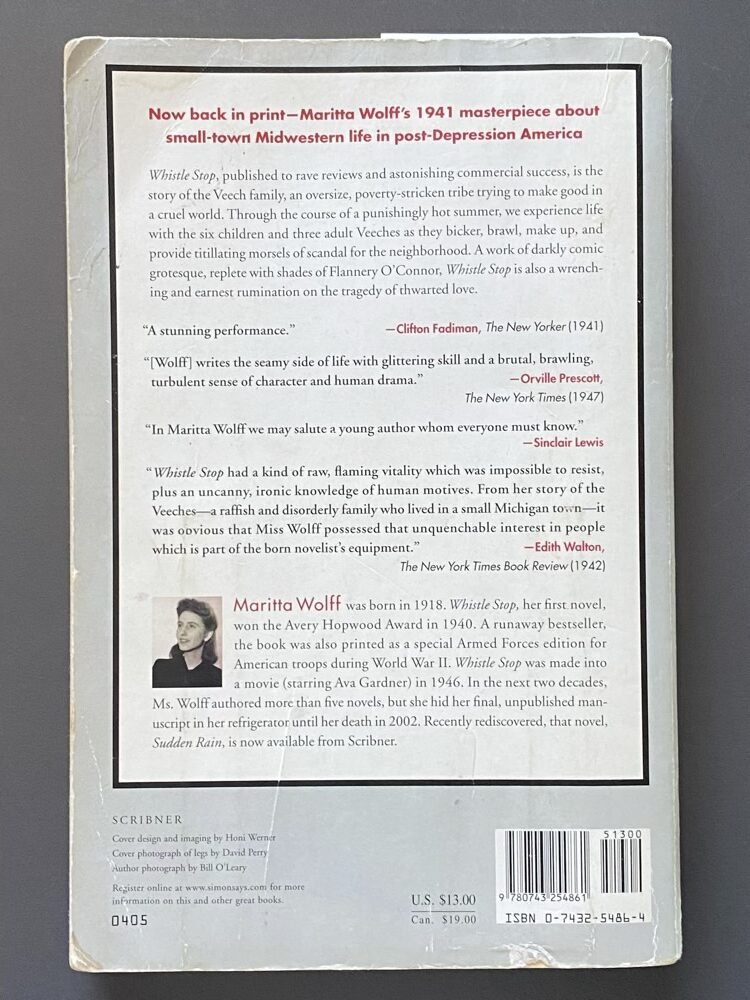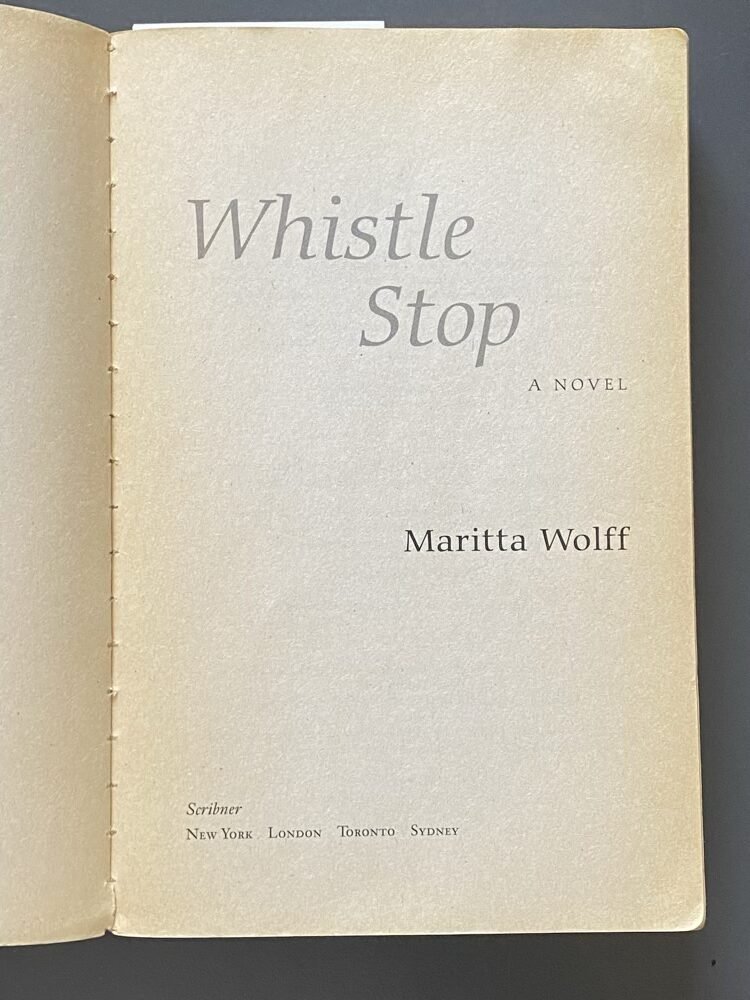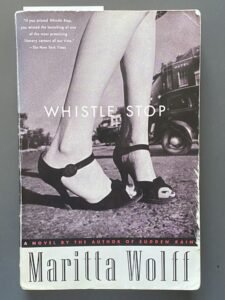
When I started reading Maritta Wolff‘s debut novel Whistle Stop, I really enjoyed it. The characters appeared fully formed, realistic, which is one of the things that I find particularly pressing.
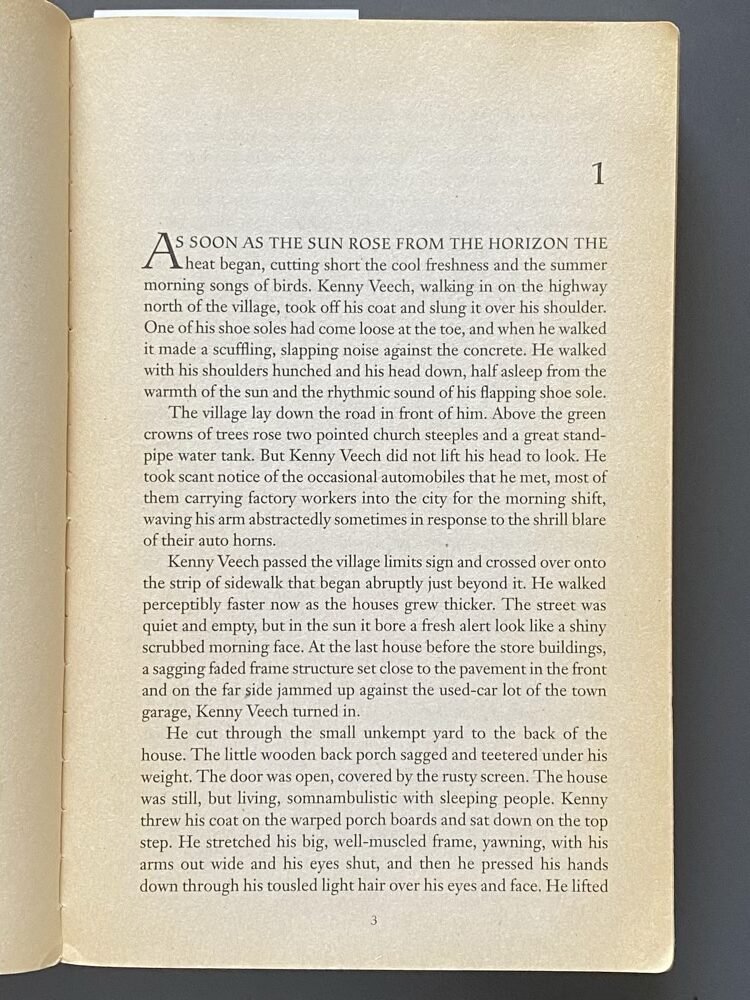
We begin following Kenny, who appears to be the central character. He quickly impresses one as shiftless, untrustworthy, yet granted free reign.
But you know me: too much pleasure in reading and I get suspicious.
What is Whistle Stop About?
Having finished Part One, I’m still a little uncertain what this novel is about. I suppose, ironically, I was expecting a hard-boiled detective story (this was my disappointment with the 1935 adaptation of The Glass Key). Instead, this seems to be a family drama, at least as far as I can tell. But I’ve only read the first 150 pages.
The novel follows the 9 members of the family Veech: Sam and Molly; Ernie, Kenny, and Carl; Mary, Jen, Josette, and Dorothy; not including the honorary grandfather Jud Higgins. They are working class, with Ernie and Mary as their relative success stories, both gainfully employed.
Largely the novel seems to follow Kenny, the second oldest, shiftless, doubtful brother. All the girls love him. But he’s unsavory and a cad, bedding a variety of different women of different marital statuses. Molly, the matriarch, loves Kenny more than the rest, something she admits when Kenny’s involved in a car accident and his life seems in jeopardy.
But it’s not clear why she loves him. Almost none of the rest of the family hold Kenny in such high regard.
And what’s more, what is the conflict?
Ernie seems to have an enemy in Lew Lentz, Mary’s boss, who equally expresses hatred for Kenny. But 150 pages in, there are no intentions …
As well, the narrative hasn’t dwelled on who is Dorothy’s father, so it’s a question outstanding (I like Kenny for this, because of his clear [and possibly mutual] attraction to Mary).
Dorothy, the granddaughter, does kill the family cat in a fit of rage after her secret stash of change has been robbed.
Effective Characterization?
Above I wrote that I have enjoyed this novel because the characters seem genuine, believable. The setting, their poverty, the unfolding of the narrative doesn’t call attention to itself.
However, I have been given pause by the ways characters arrive at their decisions. Kenny is the central character in most respects, but the closest we come to insight into his thinking is in his exchange with Rita Sibley before the car accident. We are limited to his perspective, even while it seems clear that he is deceiving himself in a number of ways.
By contrast, I found the description of Carl’s psychology more compelling: a younger man living in his brother’s shadow and deeply unhappy because of it. His inner life feels more immediate and more fully realized.
The Author’s Hand
I’m also looking for the author’s presence and haven’t entirely found it yet. You see it occasionally in those moments when the narrative moves from the perspective of a character to some sort of objective judgment.
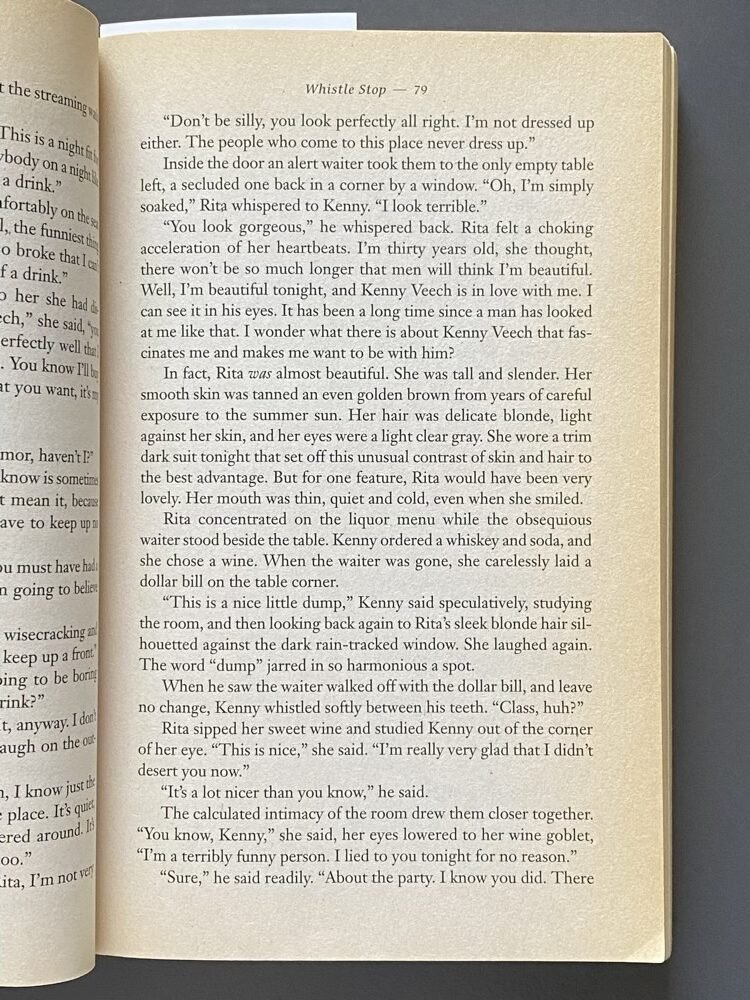
For example, at one point near the end of Book One, the narration shifts from Rita Sibley’s thoughts about herself to a description of her as actually being beautiful, albeit with one flaw (79). That movement from her subjective perspective to an objective assessment feels like one of the few moments in which the novelist steps out from behind the characters.
Signs of an Early Novel
There are features of this that mark it as an early novel, such as imprecise uses of language. But I’m not sure that this is entirely fair ground for critique, given that it is the author’s first novel. On the other hand, there are these people gainfully employed as editors, I am told.
Does Whistle Stop‘s Popularity Discourage Me?
The book was a bestseller in 1940 and an Armed Services edition was produced! These facts did make me a little doubtful. The latter, in particular, first made me think that it might have a lower reading level, so as to accommodate the limited reading powers of enlisted soldiers.
But Faulkner was included among those editions. And James Joyce’s Ulysses! Okay, not the latter. I made that up.
Authorial Strengths
One feature that stood out to me, early in the novel, were repeated instances in which the mother, Molly, asks different family members (save Kenny) to go and pick some raspberries for her. In each instance she repeats how she would like to make some sauce from them, that it’s the perfect time for this. And in each instance, she is mostly ignored.
That strikes me as realism, both in the repetition of character’s requests and the failure of her family members to satisfy them.