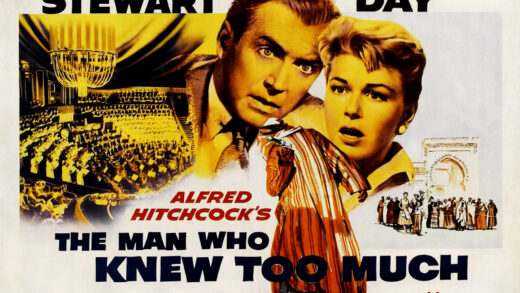

Only in the process of constructing this report did I appreciate the quality of so many things I consumed during January. Perhaps the best of those is the 2017 Kenneth Lonergan film Manchester By The Sea, which I was able to see for the second time, and devote some thought thereto.
But the greatest hits also included plays by Euripides and the ancillary reading that supporting that, including in Hegel, Simone Weil, Philip Vellacott, and others.
I finally watched Alex Garland’s Civil War and Jules Dassin’s The Naked City. Both of which I’d known about for years.
The telos of this website, its abiding purpose, is a record of the things that I have read and watched. For the reasons undergirding this project see comments on cultural consumption.




January 2
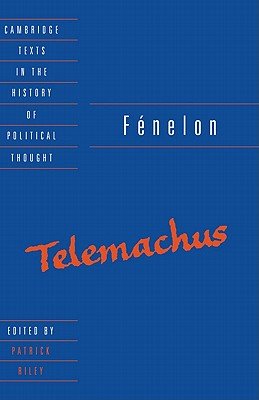
— Frances Fénelon, Telemachus, “Introduction”
— Endurance (2024)
Directed by Elizabeth Chai Vasarhelyi, Jimmy Chin, and Natalie Hewit; a documentary about Sir Ernest Shackleton’s 1914–1917 Antarctic expedition and the modern‑day search for the wreck of his ship, Endurance.
Featuring participants from the Endurance22 expedition and released in 2024.
Jimmy Chin, one of the directors, also did Free Solo (2018), the story of that crazy mountain climber. You know the one. Perhaps Shackleton strikes a similar figure to Alex Honnold. But Shackleton put many more lives at risk on his quest and needed to convince many others to join and support him.
January 3
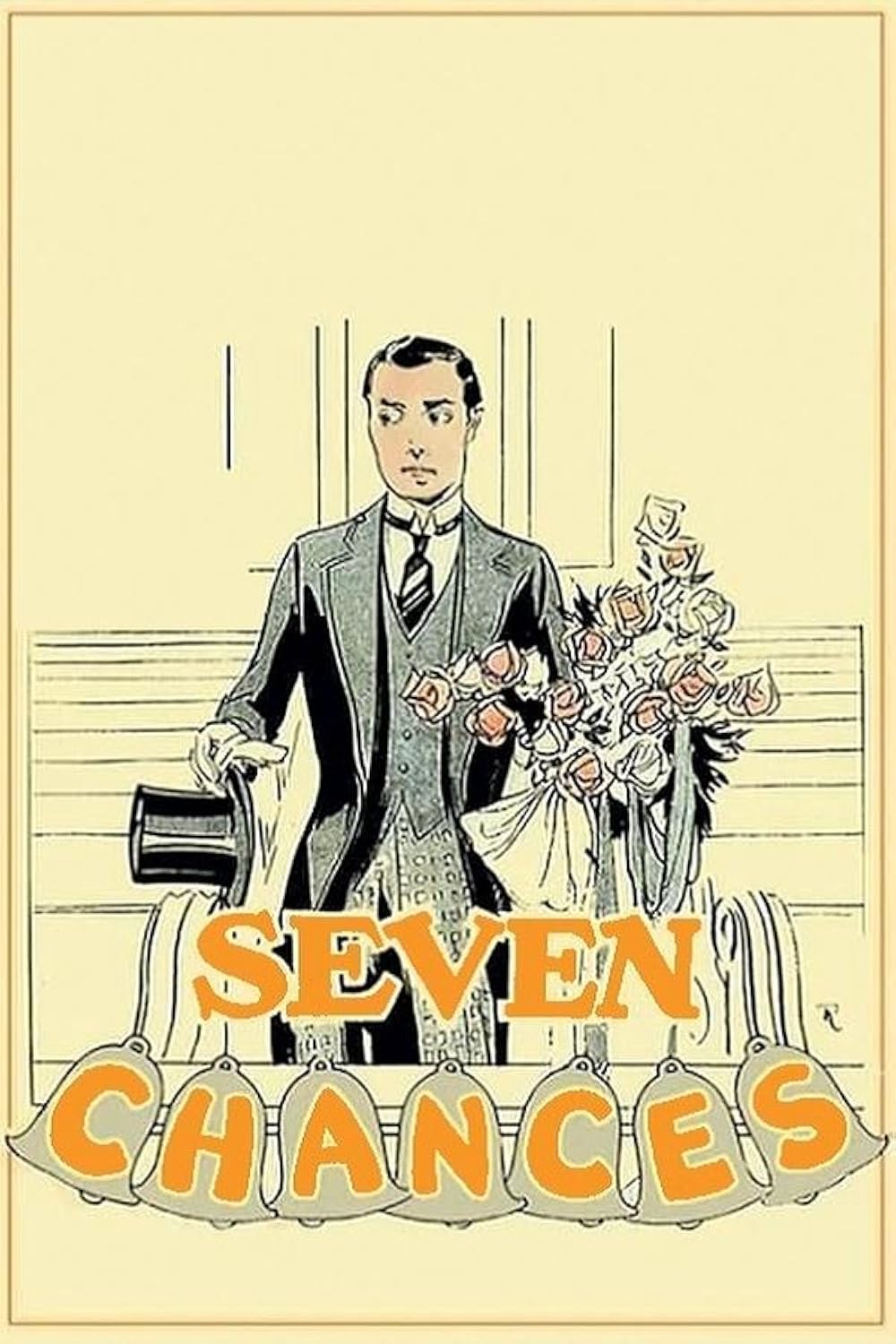
— Seven Chances (1925)
Directed by Buster Keaton and Clyde Bruckman; written by Buster Keaton and Clyde Bruckman, based on a story by Roi Cooper Megrue. Starring Buster Keaton, T. Roy Barnes, Snitz Edwards, and Kathryn McGuire.
Released in the United States on October 18, 1925.
— Ciu Lixin, “Moonlight” in Broken Stars, which was edited and translated by Ken Liu.
January 4
— Tang Fei, “Broken Stars” in Broken Stars
January 7-8
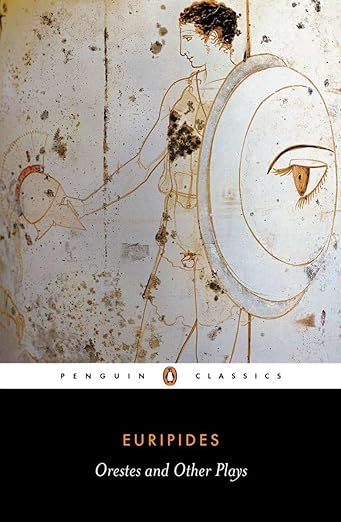
— Orestes, in Euripides, Orestes and Other Plays with an introduction by Philip Vellacott
As with previous plays read in this volume, Orestes gains in value when you’ve read Vellacott’s introduction. Undoubtedly there is something very curious about the appearance of all of these characters. Menelaus has lost something of his honor, and Orestes’ bloodlust seems to know no ends. Like in the Eumenides, a god intervenes, yet here it is Apollo and Orestes will be acquitted.
Last month I began reading Euripides, and it’s extended into the present (although waned a little now in February.
January 11
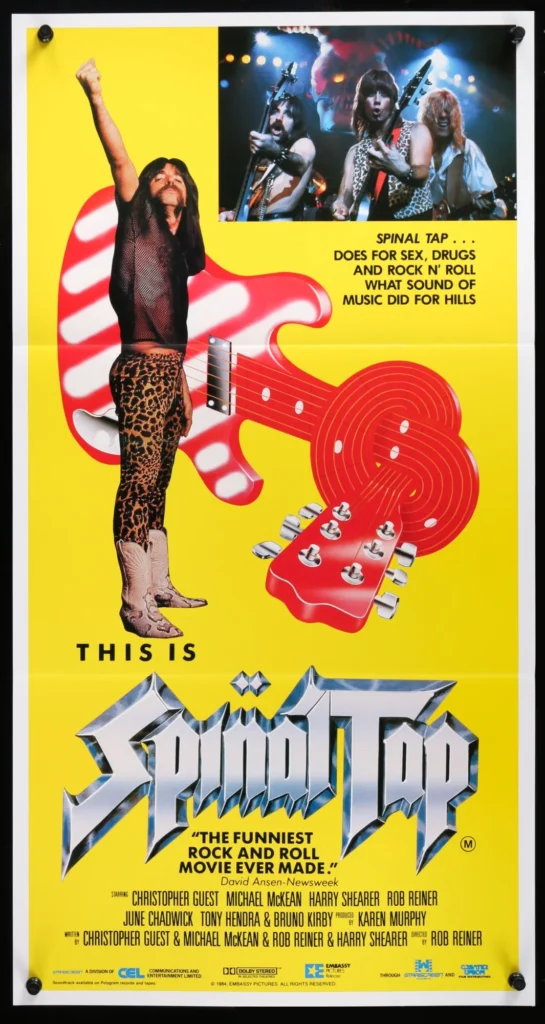
— This Is Spinal Tap (1984)
Directed by Rob Reiner; screenplay by Christopher Guest, Michael McKean, Harry Shearer, and Rob Reiner. Starring Christopher Guest, Michael McKean, Harry Shearer, Rob Reiner, and Fran Drescher. Released in the United States on March 2, 1984.
This film has somehow survived in its posterity, and its still hilarious. Of coruse, some of it is simple physical humor. But there are also strokes of genius, like the foil-covered zucchini while going through airport security. Of course, the amplifiers that go … “to 11.”
But the spoof strikes all of the goofy moments that the Beatles and the Stones went through, such as “Gimme Some Money“:
Stop wasting my time
You know what I want
You know what I need
Or maybe you don't

Do I have to come right flat out and tell you everything?
Gimme some money, gimme some money
January 12

— Civil War (2024)
Directed by Alex Garland; written by Alex Garland. Starring Kirsten Dunst, Wagner Moura, Cailee Spaeny, Stephen McKinley Henderson, Sonoya Mizuno, and Nick Offerman. Released in the United States on April 12, 2024.
I had wanted to see this film for some time, and I was not disappointed.
Of course, I wasn’t disappointed because instead I was traumatized. I expected that (as I did when I saw Boyhood).
— What a Way to Go! (1964)
Directed by J. Lee Thompson; screenplay by Jay Presson Allen. Starring Shirley MacLaine, Paul Newman, Robert Mitchum, Dean Martin, Gene Kelly, Dick Van Dyke, and Mitzi Gaynor.
Released in the United States on July 1, 1964.
— Philip Vellacott, Introduction to Orestes
January 14
— Han Song, “Submarine” in Broken Stars
January 15-16
— G.W.F. Hegel, Aesthetics: Lectures on Fine Art, Vol. II, 15 pp. on lyric and dramatic poetry
Not since the 90s have I had the opportunity to read this work systematically as a graduate student in the philosophy department at Villanova University. Now I read it as a companion to my reading of Euripides.
I’d forgotten how Hegel emphasizes the performative aspect of dramatic poetry, but it follows logically from his account of lyric poetry.
This feature of drama has sort of bedeviled my reading. When I taught these works, I would always touch upon the fact that my students and I were reading what was meant to be performed. Not even a dramatic reading can serve as a substitute for the work of dramatic production.
January 17
— The Naked City (1948)
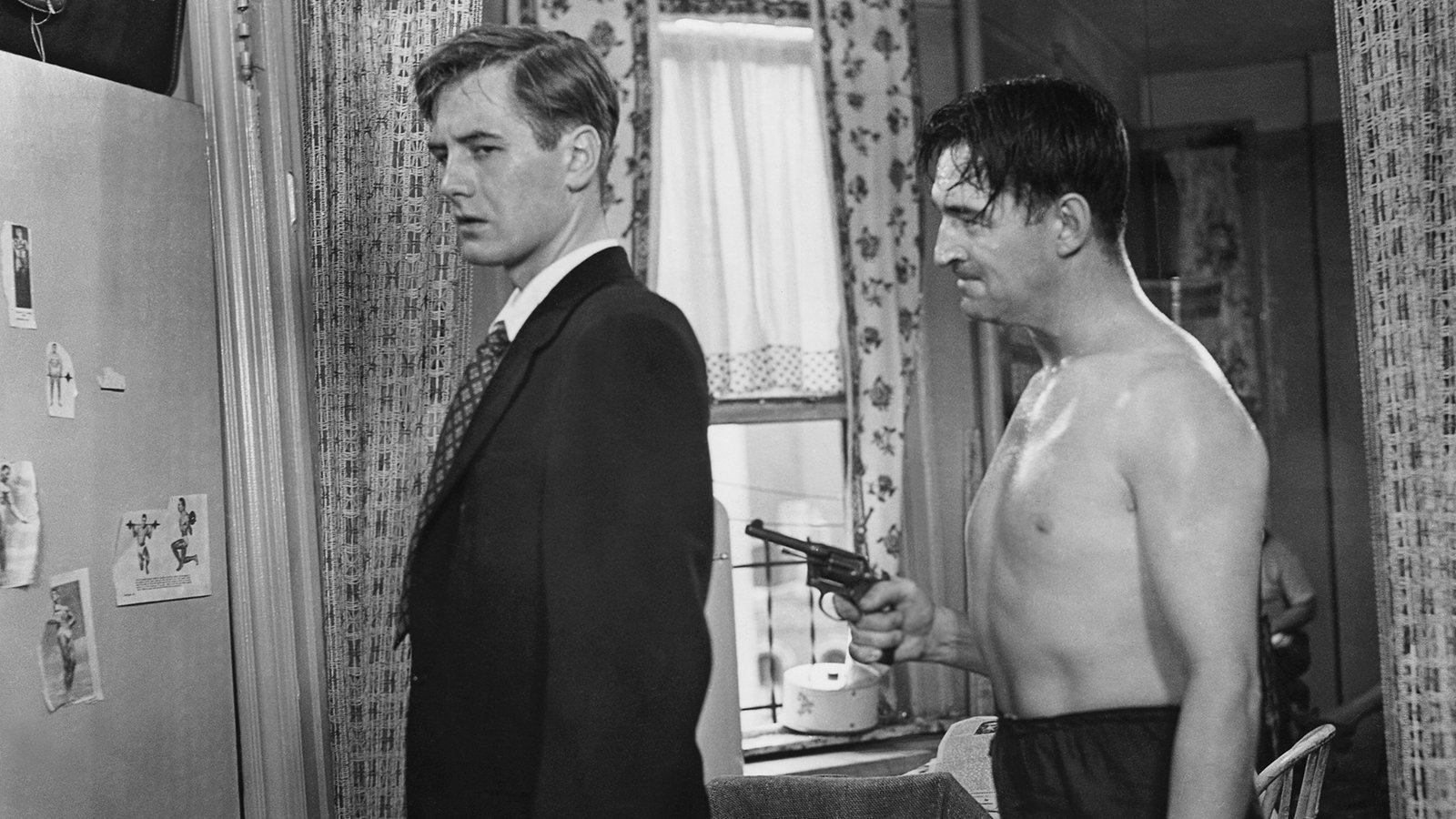
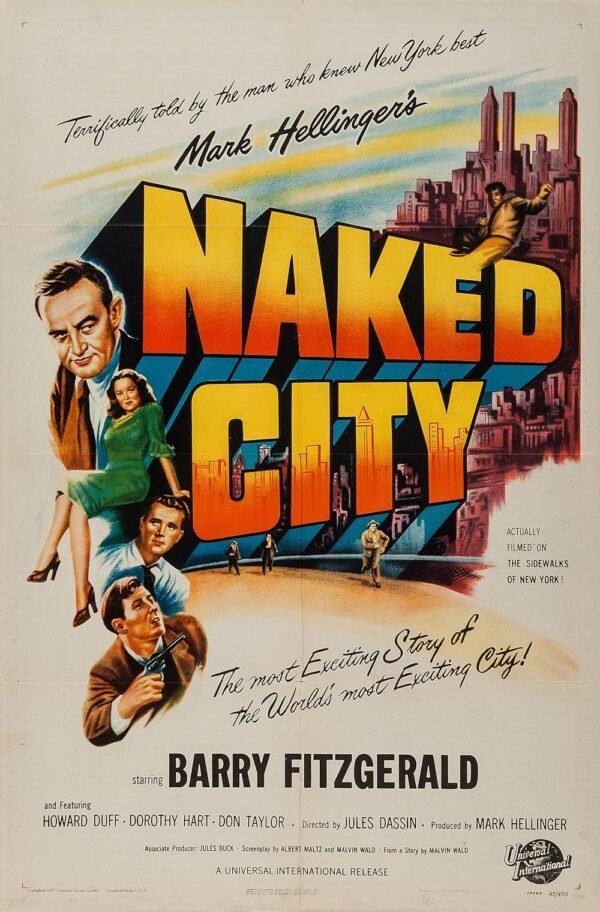
Directed by Jules Dassin; screenplay by Malvin Wald, Albert Maltz, and Malvin Wald, based on the story by Malvin Wald. Starring Barry Fitzgerald, Don Taylor, Howard Duff, Dorothy Hart, and Frank Conroy. Released in the United States on March 4, 1948.
I’d heard of this movie but a Criterion “Adventure in Moviegoing” with Josh and Benny Safdie recommended The Naked City along with others.
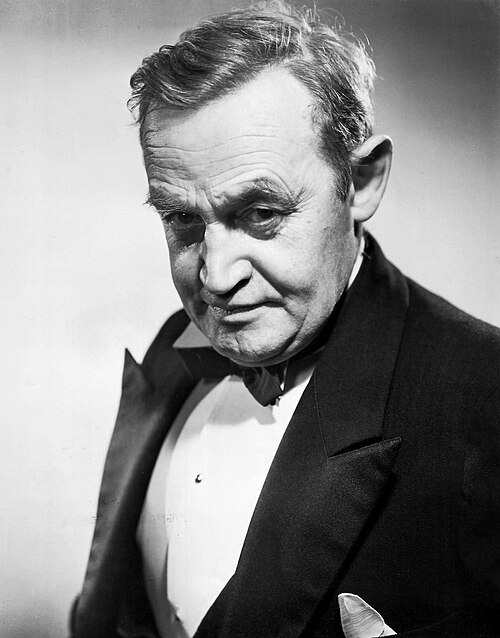
Arguably the best part is the brother Seamus, played by Barry Fitzgerald. “Like an Irish monk?” Fitzgerald also starred in The Quiet Man (1952) and The Long Voyage Home (1940) with the Duke himself.
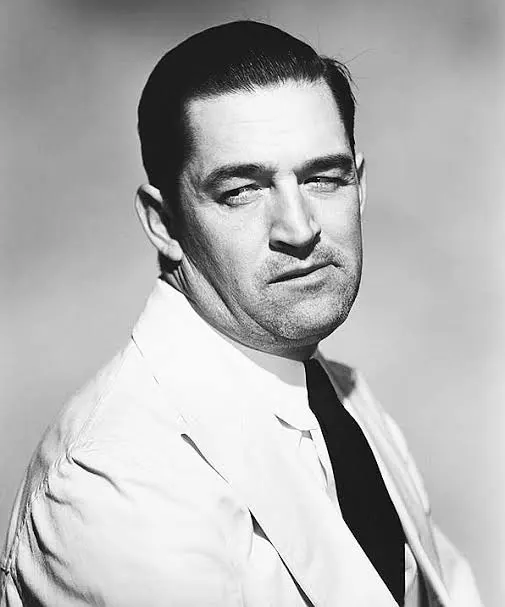
Or maybe Ted de Corsia, the antagonist boxer, gymnast. Who you may know was also in The Killer, playing the role of the inside man in The Killing (1956).
— Fénelon, Telemachus, Book 1

— Cars (2006)
Directed by John Lasseter; screenplay by John Lasseter, Joe Ranft, Jorgen Klubien, Kiel Murray, Phil Lorin, and Dan Fogelman. Starring Owen Wilson, Paul Newman, Bonnie Hunt, Larry the Cable Guy, and Tony Shalhoub.
Released in the United States on June 9, 2006.
As Lucian was growing up, this film was a touchstone. So watching it again now is a sort of trip down memory lane. I first encountered Owen Wilson back when he was in Wes Anderson’s first film Bottle Rocket (1996), whereas he’s developed into a unique character here.
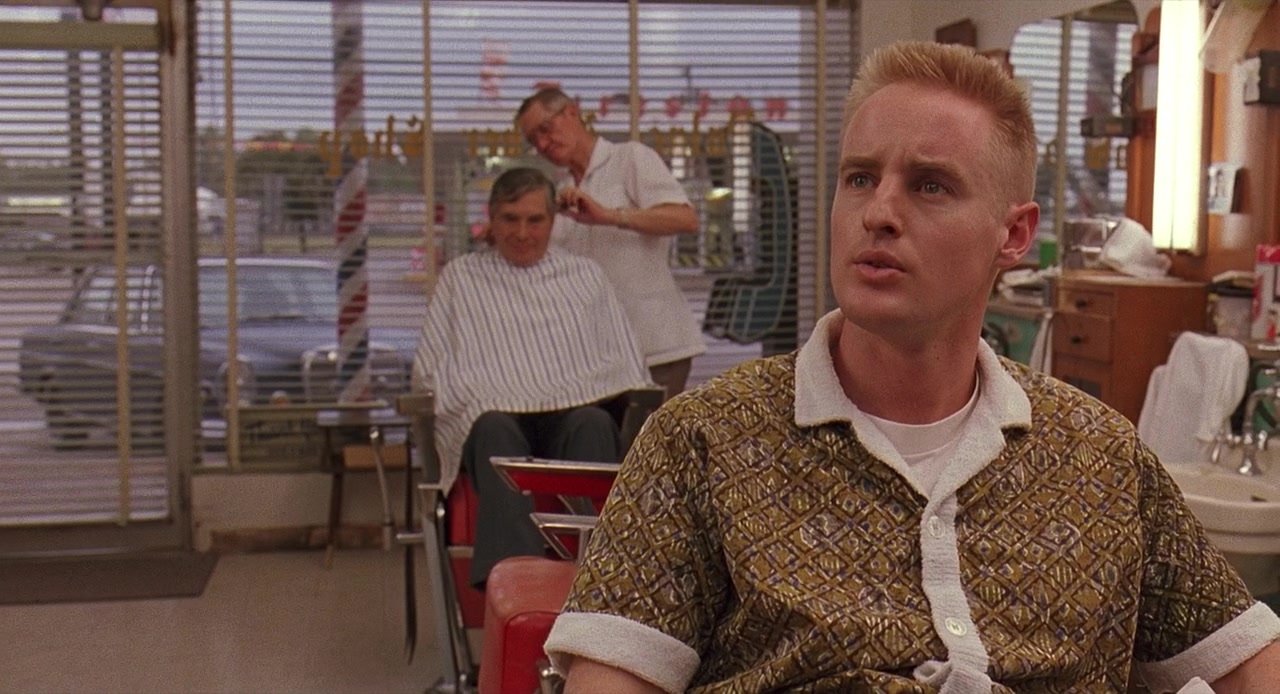
Footnote: I only saw Bottle Rocket after having first seen Rushmore at the erstwhile Ritz at the Bourse theater on 2nd Street in Olde City Philadelphia, with several fellow male philosophy graduate students. Our unanimous approval for an Anderson film now strikes me a somewhat humorous, particularly Rushmore, the story of an unappreciated young genius, seeking recognition despite persistent failures … thou dost protest too much!
January 18
— Peter Rabbit (2018)
Directed by Will Gluck; screenplay by Will Gluck and Rob Lieber, based on the stories by Beatrix Potter. Starring James Corden (voice), Domhnall Gleeson, Rose Byrne, Daisy Ridley (voice), Elizabeth Debicki (voice), and Margot Robbie (voice). Released in the United States on February 9, 2018.

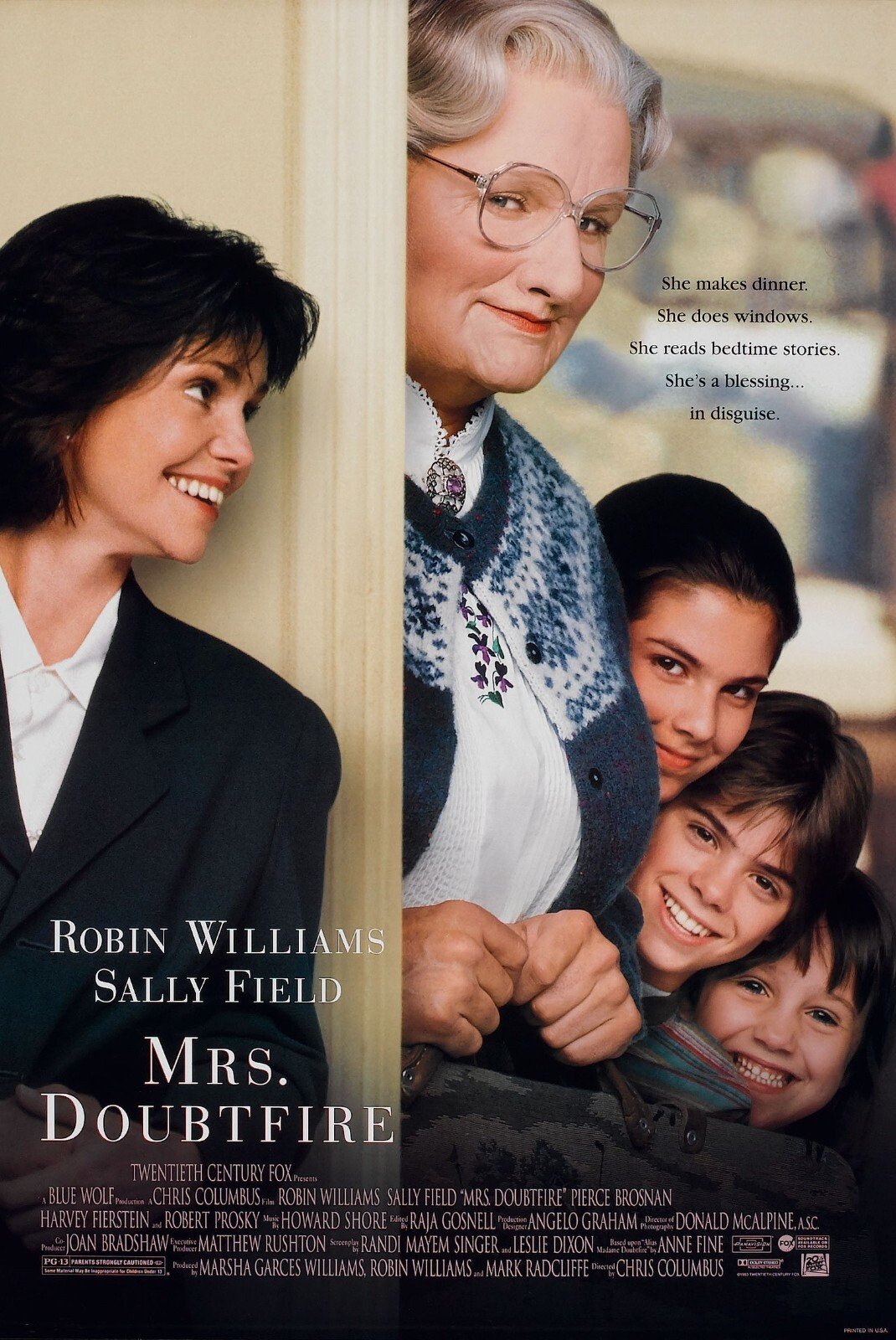
— Mrs. Doubtfire (1993)
Directed by Chris Columbus; screenplay by Randi Mayem Singer, based on the novel Alias Madame Doubtfire by Anne Fine. Starring Robin Williams, Sally Field, Pierce Brosnan, Harvey Fierstein, and Mara Wilson.
Released in the United States on November 24, 1993.
Lucian enjoyed this. I did not.
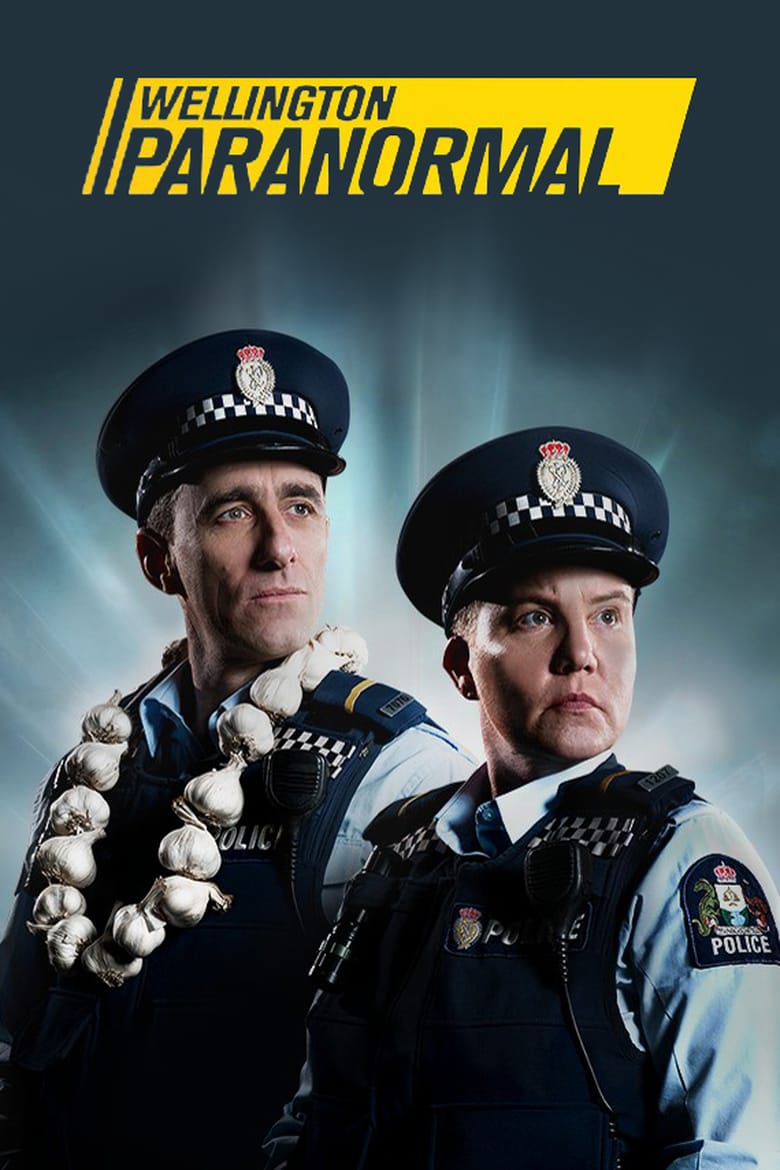
— Wellington Paranormal (2018), “The Demon Girl” S1.E1
Created by Taika Waititi and Jemaine Clement. Starring Mike Minogue, Karen O’Leary, and Maaka Pohatu.
First aired in New Zealand on July 11, 2018.
A brilliant spinoff from What We Do In the Shadows: more Taika Waititi, more M.
January 20
— Jack London, “The Seed of McCoy”
January 22
— Finished Andromache in Euripides, Orestes and Other Plays.
Andromache tells the story of the title character, now the slave of Achilles’ son Neoptolemus. In the Iliad Andromache was Hector’s wife (and Hector the brother of Paris — whose good looks precipitated the war that would cost so many men their lives — and son of Priam, the King of Troy).
In Andromache the title character effects conflict within Neoptolemus’ household as her womb is more fertile than that of his wife Hermione (none other than the daughter of Menelaus and Helen). Hermione’s rage threatens both Andromache’s life and the life of her son with Neoptolemus, Molossus.
Recall that Andromache already lost her son Astyanax (by Hector) at the end of the Trojan War (recounted in The Aeneid?).
But Andromache only takes center stage for about half the drama. The second half mostly stars Hermione, who after a murderous rage in the beginning then fears that when her husband — who is absent throughout the play … until the end — will return and kill her for having threatened Andromache and Molossus.
Enter Orestes, who is no tragic figure as in The Oresteia (Aeschylus). As in Euripides’ Orestes, he’s driven insane by bloodlust. He appears at this moment to save Hermione from what she fears is her fate, and plots the death of her husband.
— Philip Vellacott, Introduction to Andromache
Vellacott’s introduction, as I have reported earlier, is interesting because of his insistence on the historical conditions of the genesis of this drama, namely, the fate of Athens as the Pelopponesian War draws to a close and good fortune Athens had enjoyed finally ends.
Euripides lives (although he would leave) in a city-state that had committed its share of war crimes and was besotted with a lust for revenge.
January 23
— Christopher Benfey, War and the Iliad, “Introduction”
January 24
— Robby Hoffman: Wake Up (2025)
Directed by John Mulaney; starring and performed by Robby Hoffman.
Released on Netflix on December 14, 2025.
“Fuck outta here!”
— Simone Weil, “The Iliad, or the Poem of Force, War and the Iliad
There’s a lot to write about this essay, which I could use to read a second time.
January 25
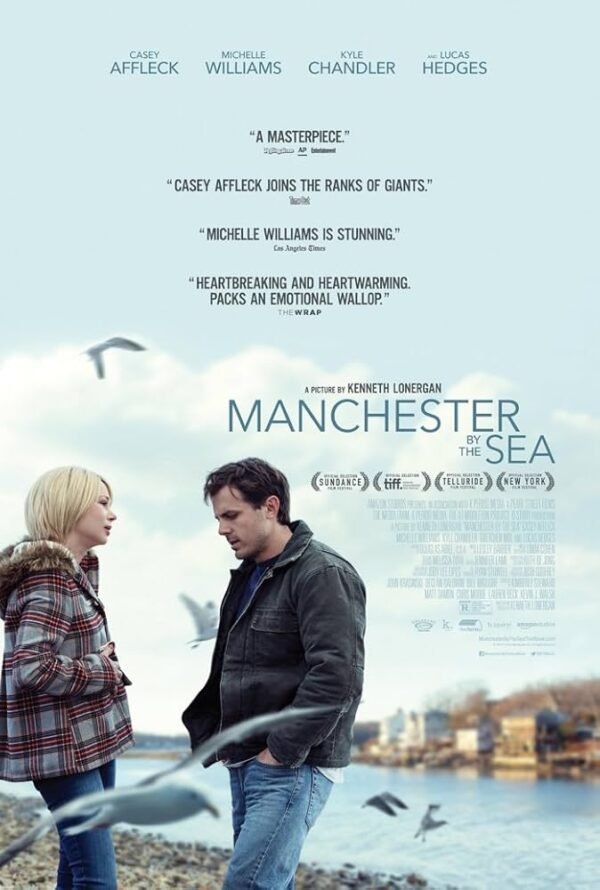
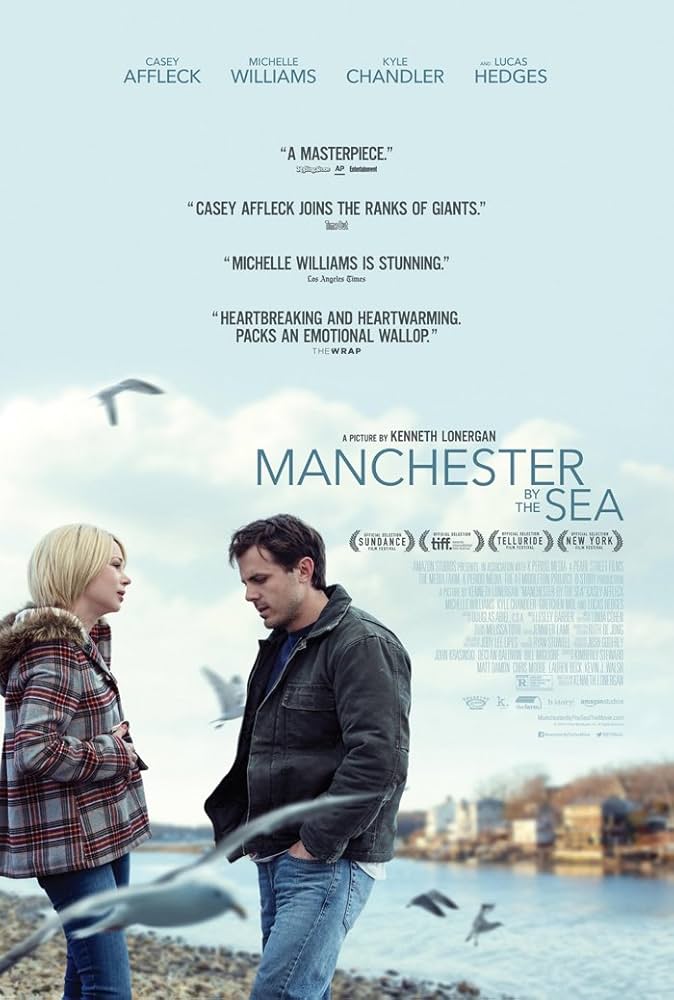
— Manchester By the Sea (2017), 45 minutes
Directed by Kenneth Lonergan; screenplay written by Kenneth Lonergan. Starring Casey Affleck, Michelle Williams, Kyle Chandler, Lucas Hedges, and Gretchen Mol.
Released in the United States on November 18, 2016.
As you may know, at the 89th Academy Awards, Manchester by the Sea won Academy Awards for Best Actor for Affleck and Best Original Screenplay, and received nominations for Best Picture, Best Director, Best Supporting Actor (Hedges), and Best Supporting Actress (Williams).
Deservedly, as I see it.
Again, the imperious influence of M: this was the second time I’d seen the film, a decision in part made because of the trauma suffered by Affleck’s character. My judgment had been, this film is tragic, in a modern sense. And despite my love for tragic films — like The Sweet Hereafter — I guess I decided it was too much: a father haunted by having inadvertently ended the lives of his children!
What’s fascinating is that for M, this is also a hilarious film. And she’s right.
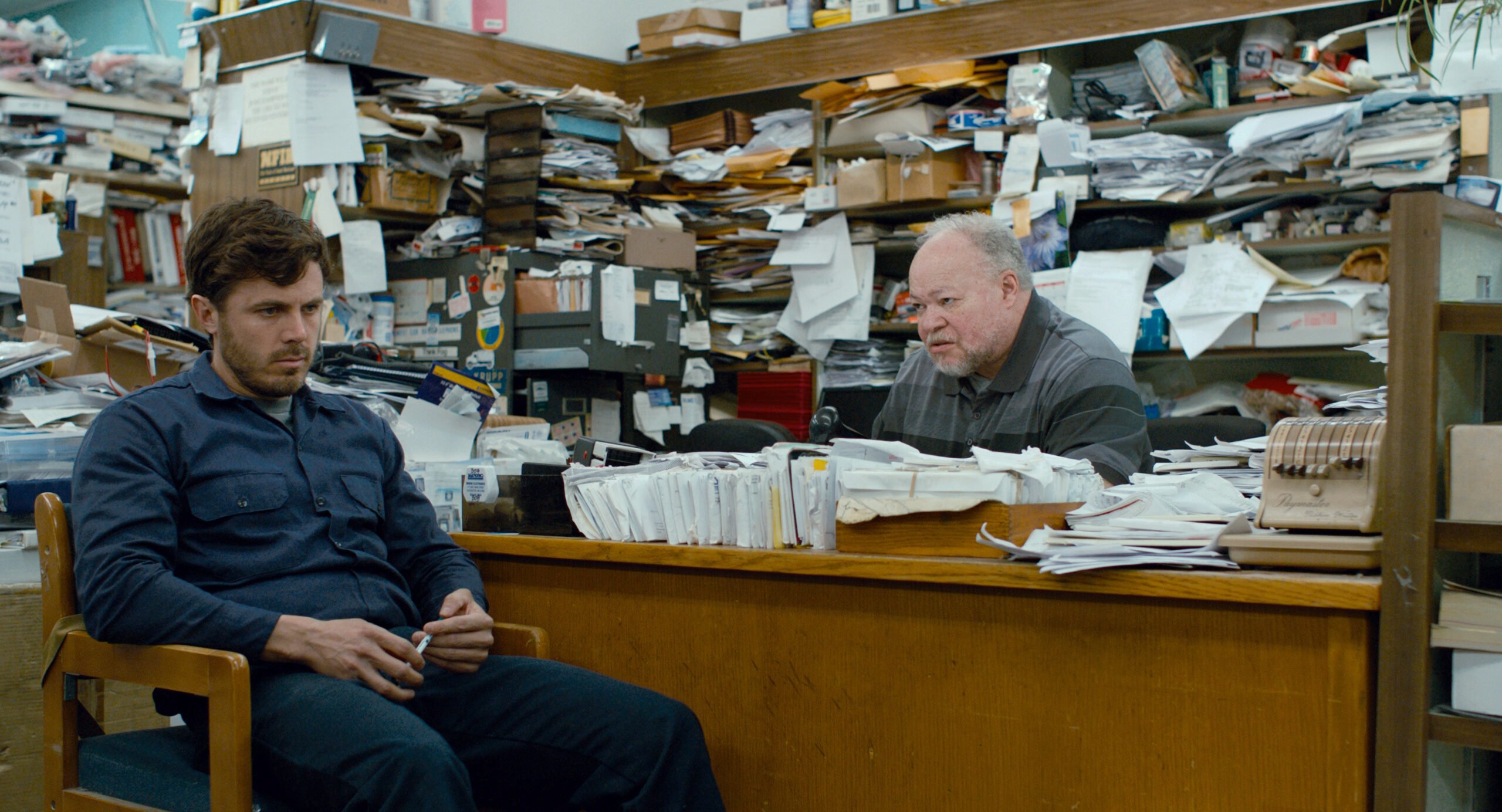
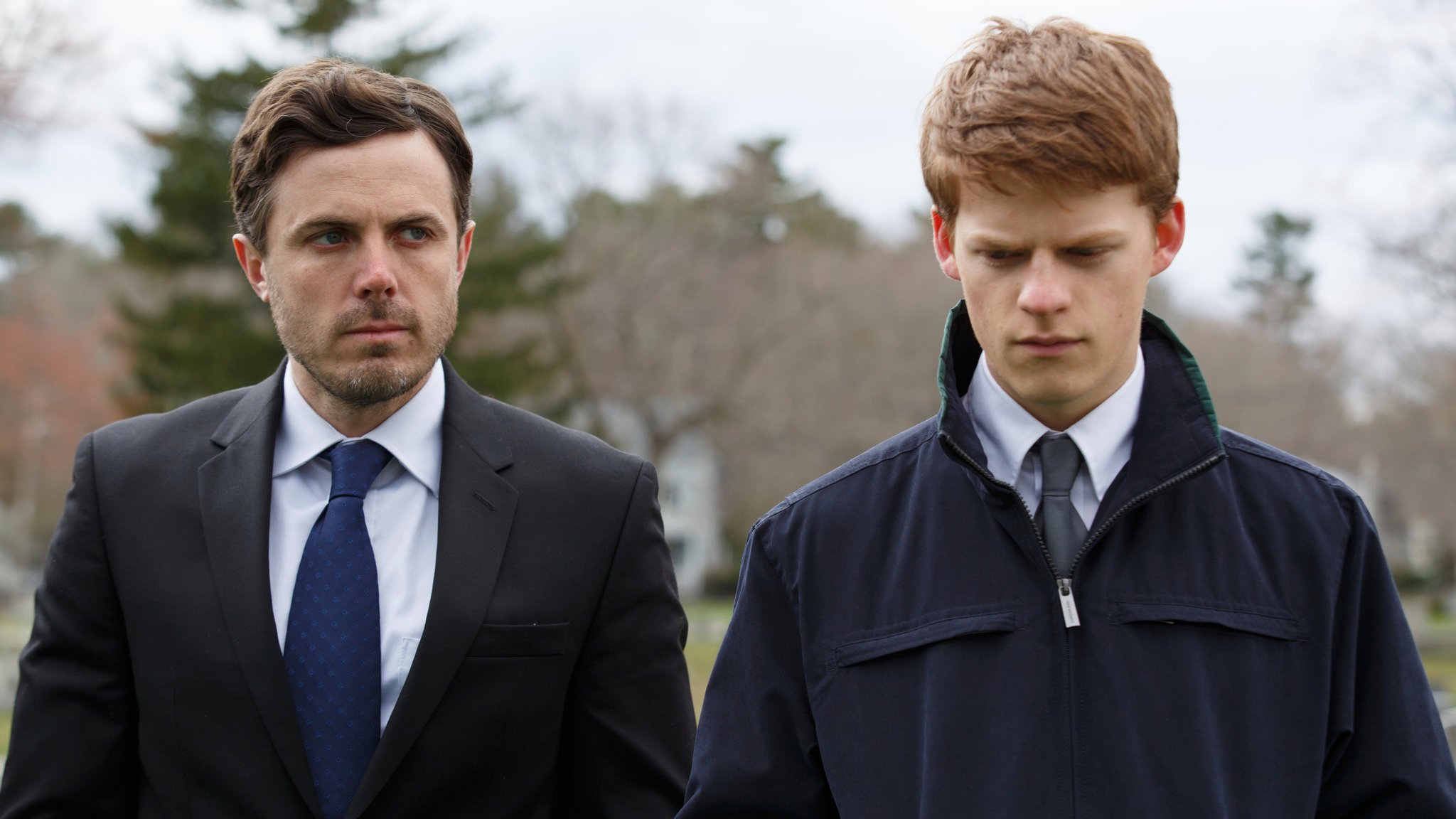


The viewer wants Patrick’s legal guardianship to be what heals Lee. But that desire is denied, wisely, by Lonergan.
I am one of those viewers, yet I can appreciate that decision on Lonergan’s part. My judgment was based in a commitment to the realism in which solutions simply do not obtain. But I now wonder if that judgment fails to grasp that Lee’s failure to become Patrick’s guardian is also a decision affirming his limits. He knows that he cannot overcome this.
January 26
— Henry Howard, Earl of Surrey, “So Cruel Prison”
— Kimberly Quiogue Andrews, “Poem in Which the Poet Ventriloquizes the Beloved”
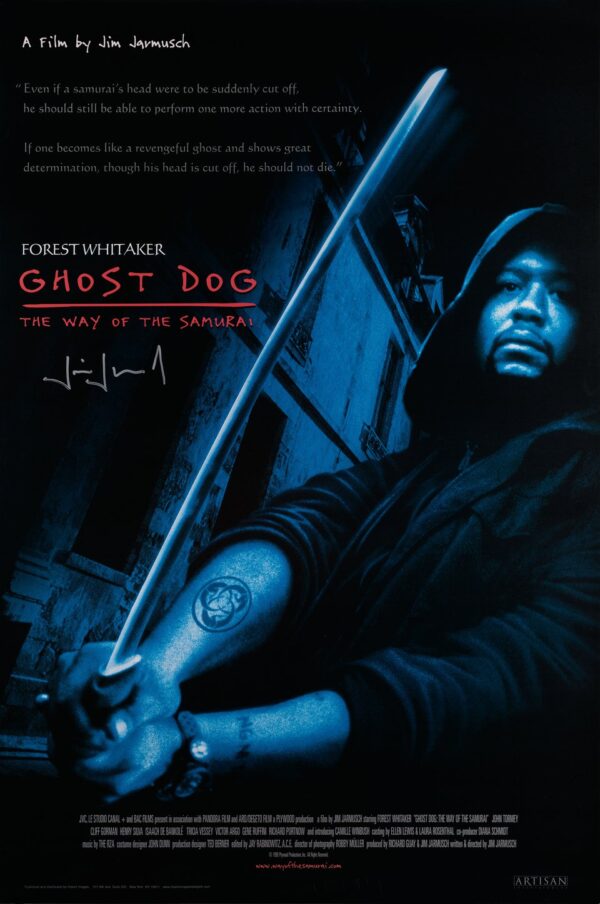
— Ghost Dog: Way of the Samurai (1999)
Directed by Jim Jarmusch; screenplay written by Jim Jarmusch. Starring Forest Whitaker, John Tormey, Cliff Gorman, Henry Silva, and Isaach de Bankolé. Released in the United States on March 3, 2000.
— Finished Manchester by the Sea
Comic episode: “We are Stentorian”
January 27
— Percy Jackson and the Olympians (2023–)
Created by Rick Riordan and Jonathan E. Steinberg, based on the novel series by Rick Riordan.
Premiered on Disney+ on December 19, 2023; the series has multiple seasons continuing into 2025 and beyond.
— Percy Jackson and the Olympians, Season 1, Episode 1 “I Accidentally Vaporize My Pre‑Algebra Teacher,” aired December 19, 2023 on Disney+.
Directed by James Bobin; written by Daphne Olive and Jonathan E. Steinberg.
Starring Walker Scobell, Leah Sava Jeffries, and Aryan Simhadri.
This kid is really annoying. That much seems indisputable.
— Percy Jackson and the Olympians, Season 1, Episode 2 “I Become Supreme Lord of the Bathroom,” aired December 19, 2023 on Disney+.
Directed by James Bobin; written by Jonathan E. Steinberg.
Starring Walker Scobell, Leah Sava Jeffries, Aryan Simhadri, Jason Mantzoukas, Charlie Bushnell, Dior Goodjohn, Jason Gray‑Stanford, and Glynn Turman.
Son of Poseidon has its advantages. Can you say natural bidet?
— Simone Weil, “The Iliad, or the Poem of Force”, War and the Iliad, 5 pages
— G.W.F. Hegel, Phenomenology of Spirit, Dialectic of Lordship and Bondage, paragraphs 178-187.
January 28
— Star Wars: Episode III – Revenge of the Sith (2005)
Directed by George Lucas; written by George Lucas.
Starring Ewan McGregor, Natalie Portman, Hayden Christensen, Ian McDiarmid, Samuel L. Jackson, Jimmy Smits, and Frank Oz.
Released in the United States on May 19, 2005.
Idle viewing …
January 30
— The Bourne Identity (2002)
Directed by Doug Liman; written by Tony Gilroy and William Blake Herron, based on the novel The Bourne Identity by Robert Ludlum.
Starring Matt Damon, Franka Potente, Chris Cooper, Clive Owen, Brian Cox, and Julia Stiles.
Released in the United States on June 14, 2002.
Lucian wanted to watch this, and I agreed to it. We actually borrowed the DVD from the Free Library of Philadelphia.
January 31
— The Contractor (2022), 30 min
Directed by Tarik Saleh; written by J.P. Davis.
Starring Chris Pine, Gillian Jacobs, Ben Foster, Eddie Marsan, and Kiefer Sutherland.
Released in the United States on April 1, 2022.
I thought … [did anything even vaguely resembling thought occur when I started this movie?]
Yet around the point of the gunfight with the Berlin police my credulity was strained too far. We know Ben Foster’s character going to somehow betray his friend played by Pine. And that Sutherland’s character will equally disappoint in some significant ethical way.
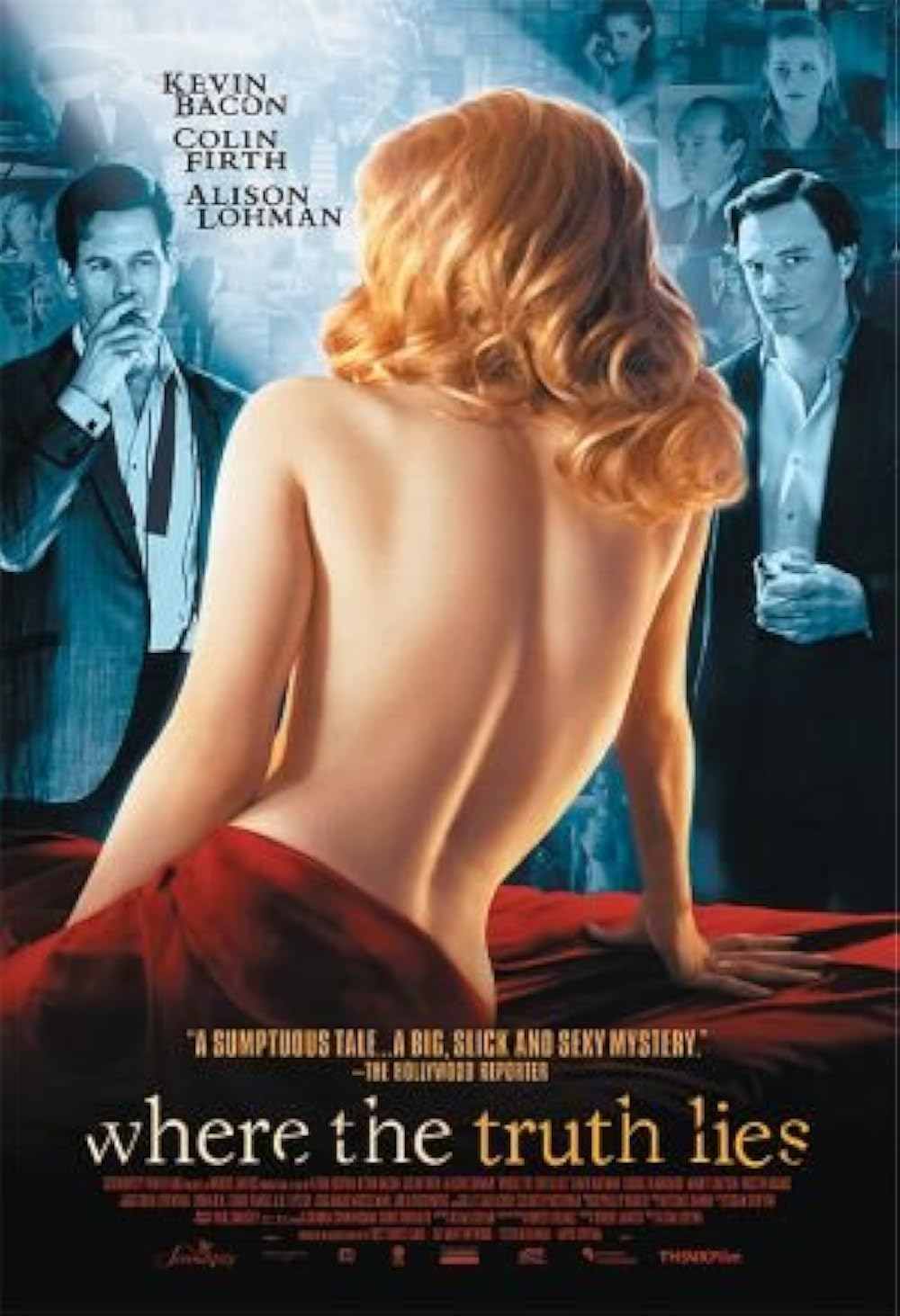
— Where the Truth Lies (2005)
Directed and written by Atom Egoyan, based on the novel Where the Truth Lies by Rupert Holmes.
Starring Kevin Bacon, Colin Firth, Alison Lohman, David Hayman, and Rachel Blanchard.
Released in the United States on October 7, 2005.
The general high regard I held for Egoyan was threatened by this movie. I guess I knew this film was going to be disappointing, perhaps because it included Kevin Bacon. Nor was it saved by including Colin Firth.
Instead, the entire film was about the character played by Alison Lohman, the seemingly teenage female character (in point of fact, she plays a pre-teen version of herself in a couple of scenes that are dramatically uncomfortable).
Or was the film about any one of other female characters in states of undress?
Footnote to the poster: as I wrote the caption to the poster, my words drew me to wonder if the pictured woman suffered from scoliosis, so strange is the curve of the small of her back. As it happens, Lohman’s character has suffered some childhood malady treated only through the benevolence of the characters played by Bacon and Firth — a reference to Dean Martin and Jerry Lewis, right? Perhaps scoliosis?
— G.W.F. Hegel, Aesthetics: Lectures on Fine Art, Vol. II, “Reading and Reciting Dramatic Poetry”
What’s crucial to Hegel’s account of dramatic poetry is the performance of the “dramatic poetry.” This is the next step from epic and lyric poetry.